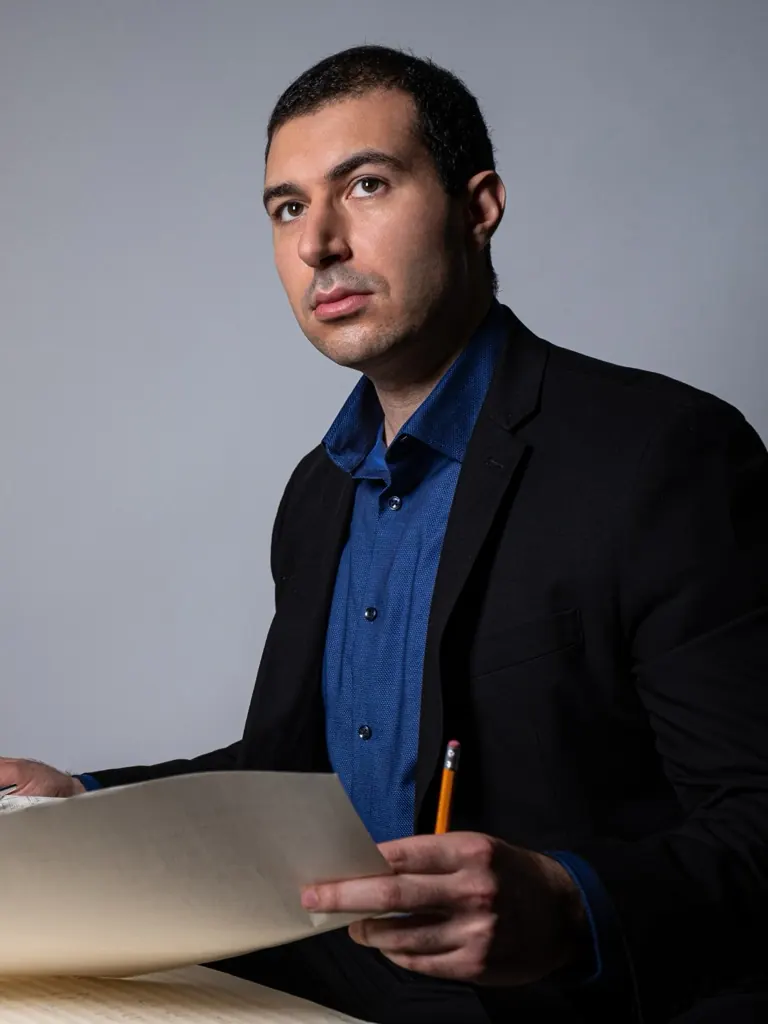






 Nick Gish
I emailed 600 orchestras. Not one performance came from it.
After 10 years of studying composition and $200,000 in training, I had a master’s degree from Juilliard, and no one had taught me how to get my music performed.
So in 2018 I did what I thought you were supposed to do. I emailed about 600 orchestras. About one in five wrote back. One reply was two words: “Not interested.” One administrator called me a “fledgling composer.” Not one performance came from it.
I felt rejected, humiliated and defeated. It felt like all the effort and money I had put into getting good at my craft had been wasted.
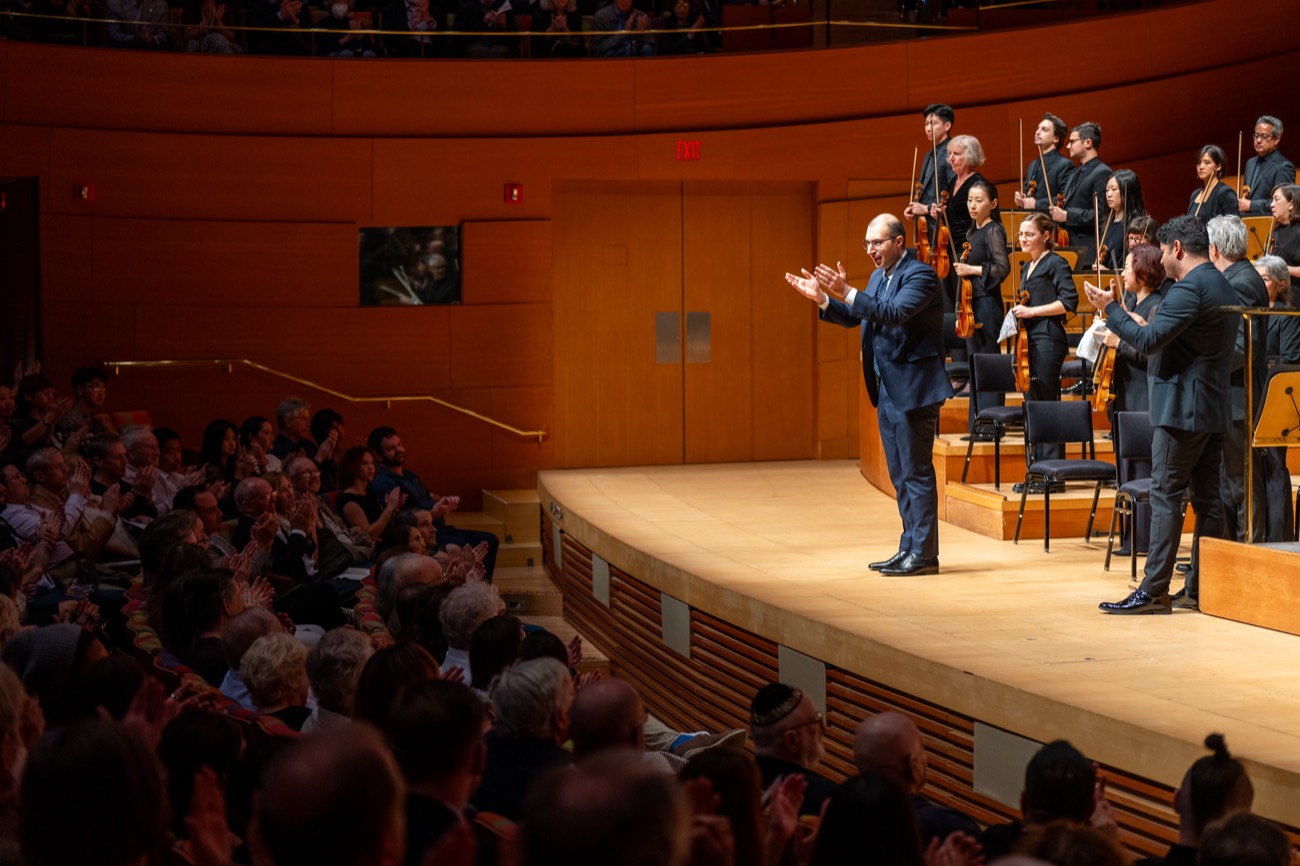
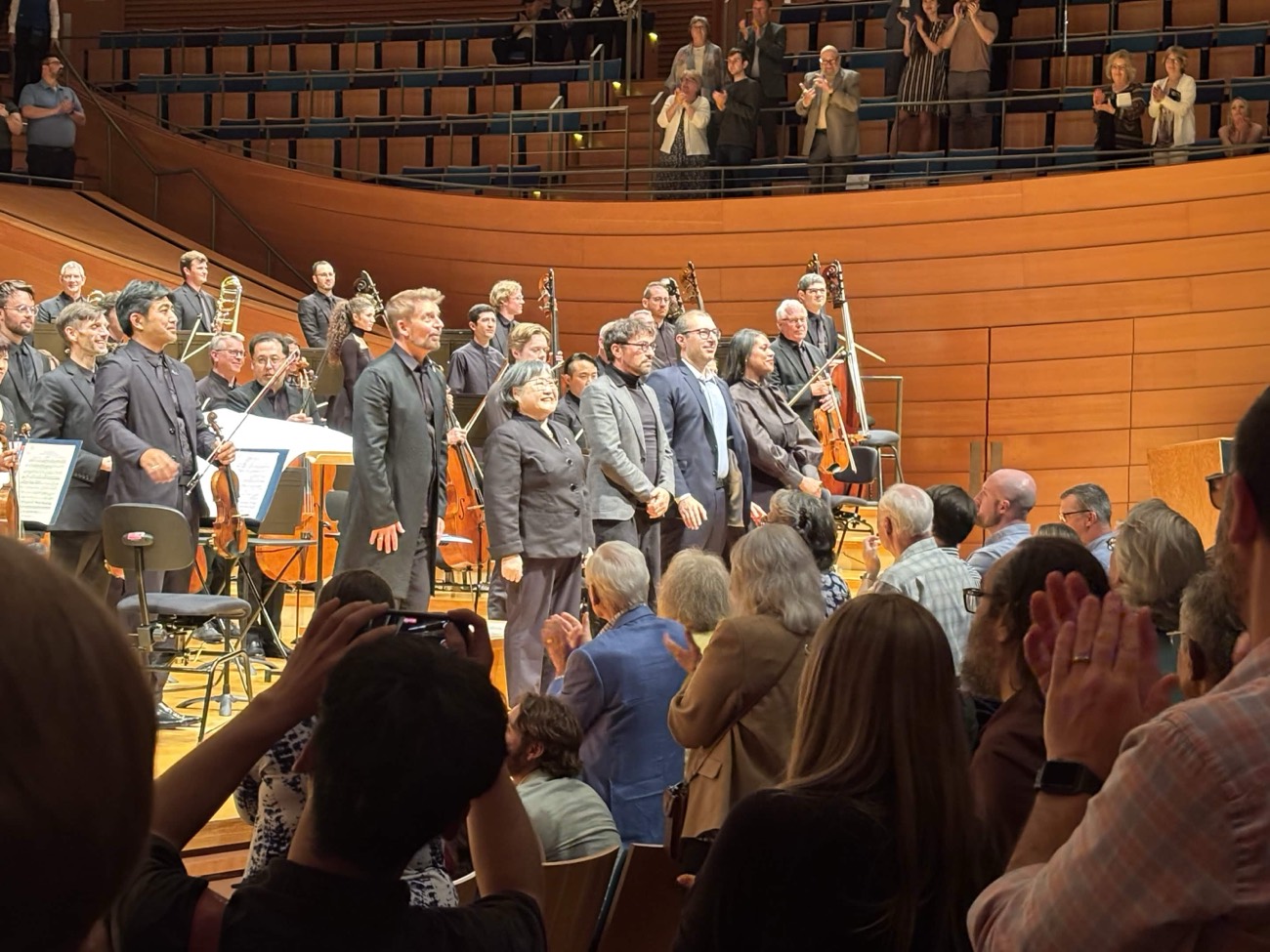
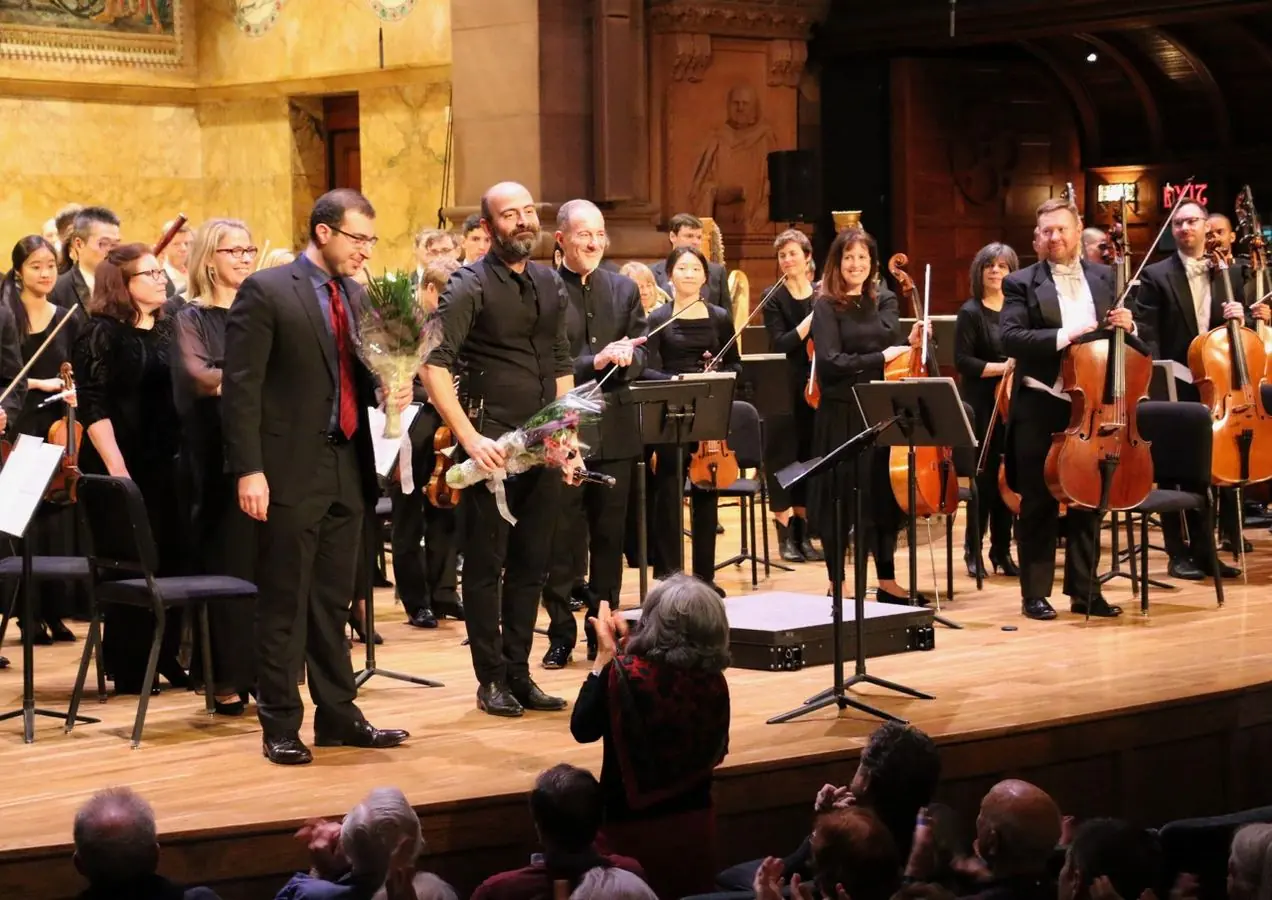
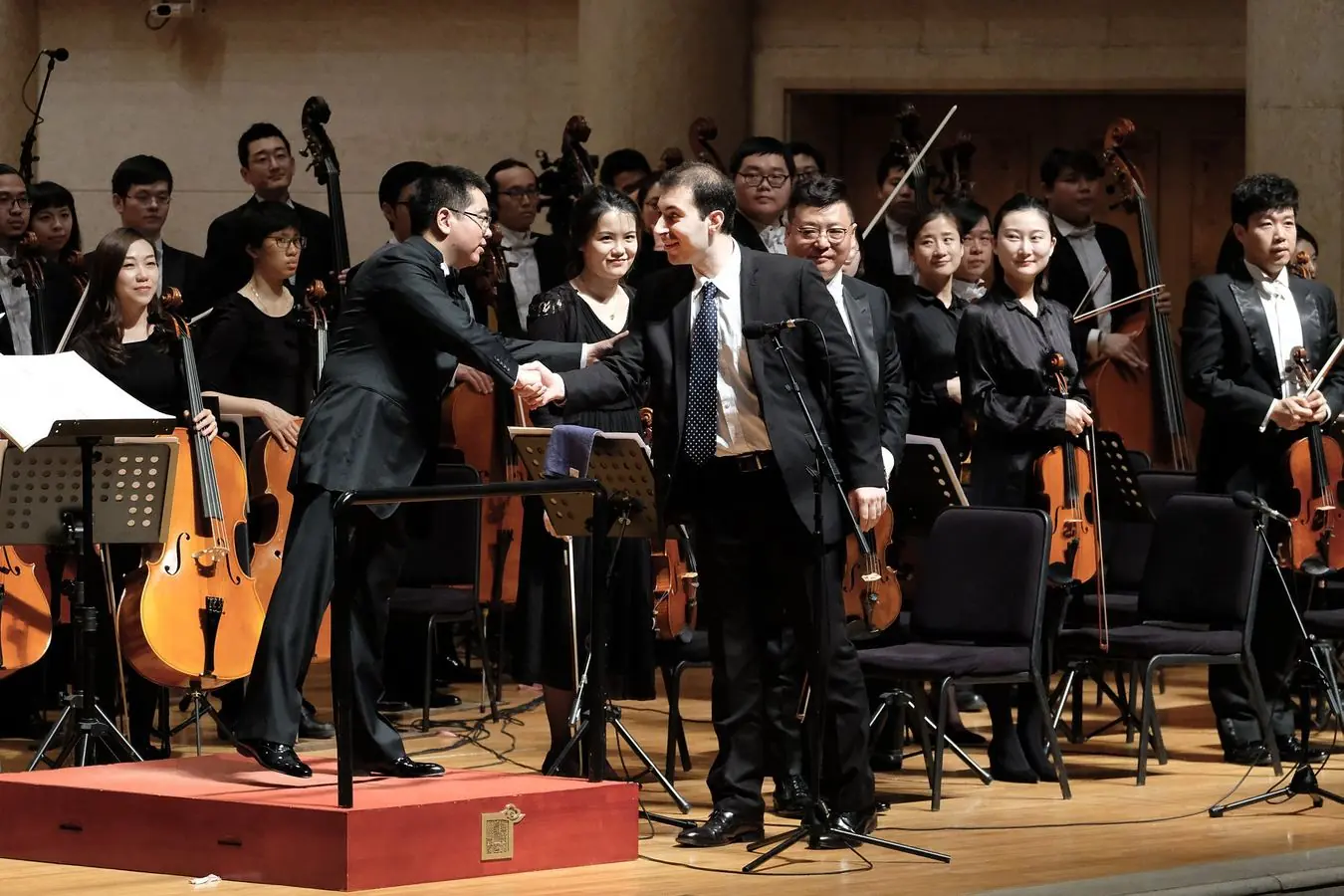
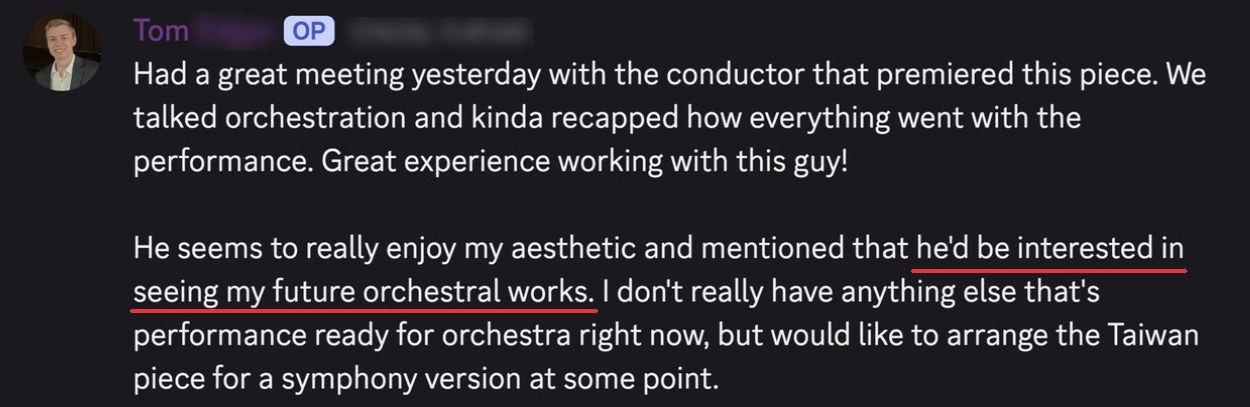
In those same months, a clarinet concerto of mine was on its way to a premiere at Princeton. It came from a conductor I already knew. And two years earlier, I had finally written to someone at the LA Phil I’d met in high school. I had put it off for almost ten years because I was too embarrassed. I felt like I hadn’t accomplished enough to write to him. He met me for coffee, I kept in touch for six years, and in 2023 the LA Phil premiered a new piece of mine at Walt Disney Concert Hall.
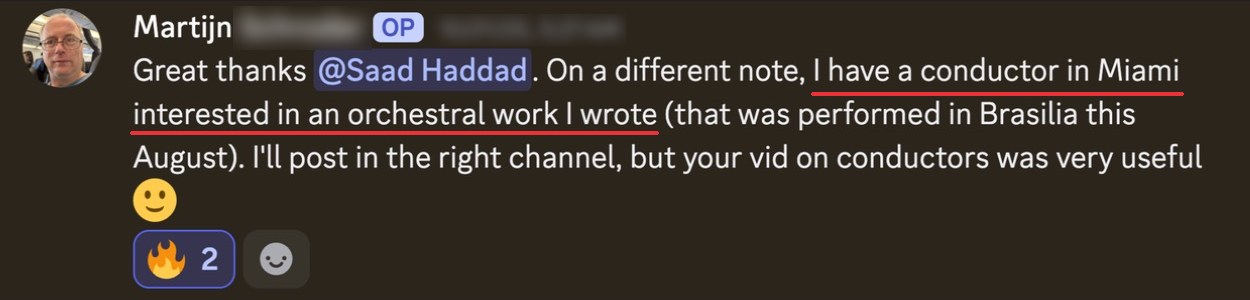
The music of mine that got played had come through people. Almost every composer who applies here is afraid to write that first email. So was I.
Why I do this
At school, one of the most talented composers I knew was writing for orchestra all the time. After we graduated he had no way to keep it going. He had to leave the city he loved and go back to his home country, where there wasn’t much opportunity in classical music. He took work in a field that wasn’t his first choice, and he started to lose his connection to composing. It made me really sad to watch, and I’ve seen it happen to a lot of composers I know.
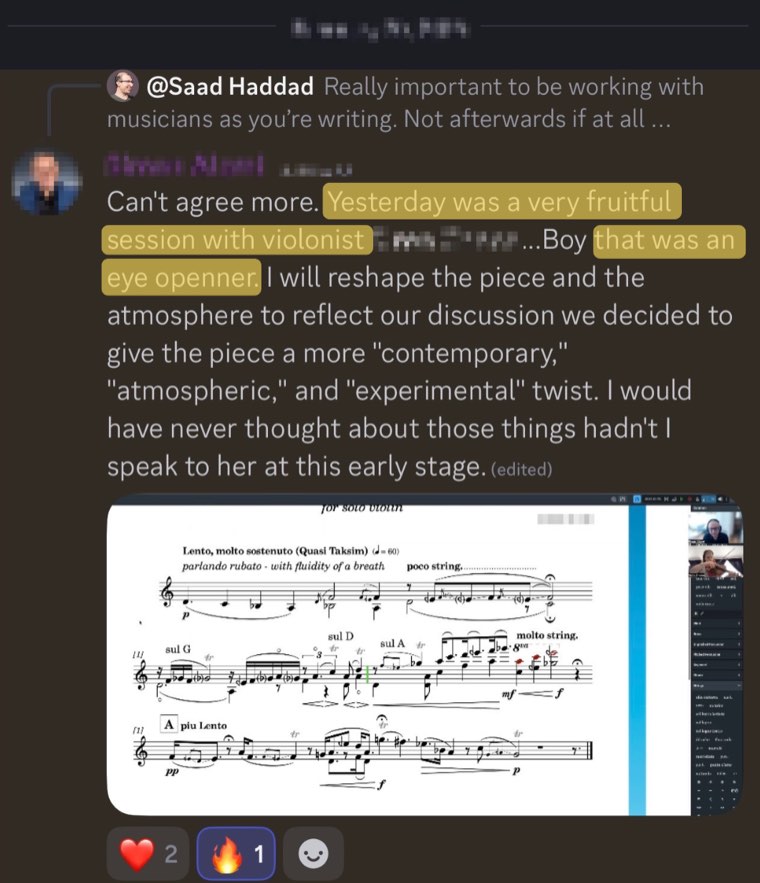
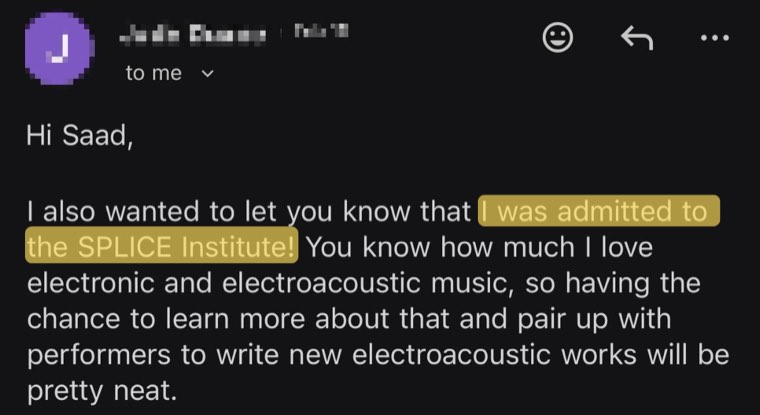
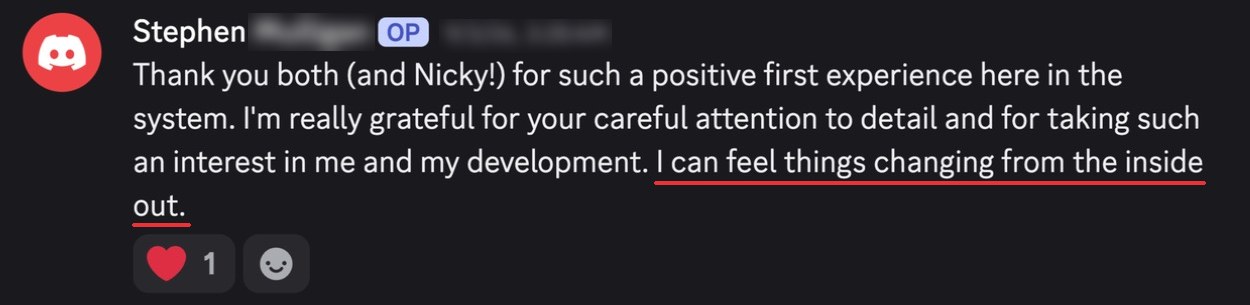
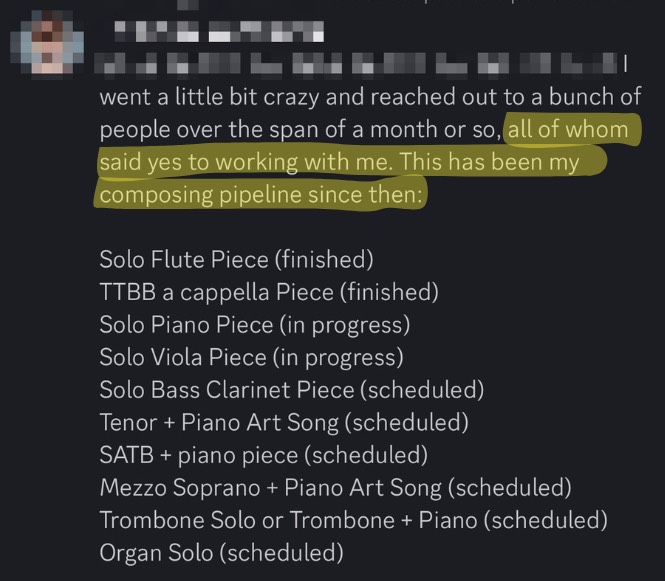
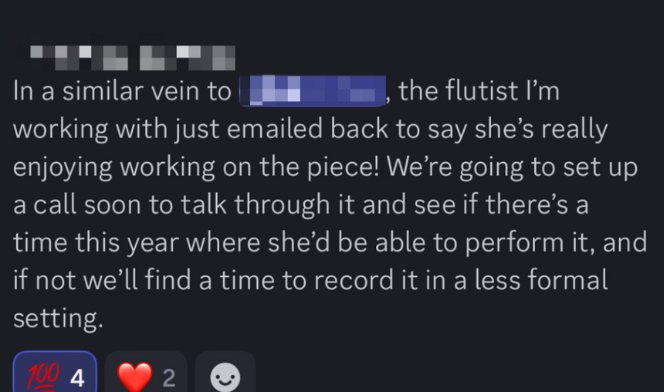
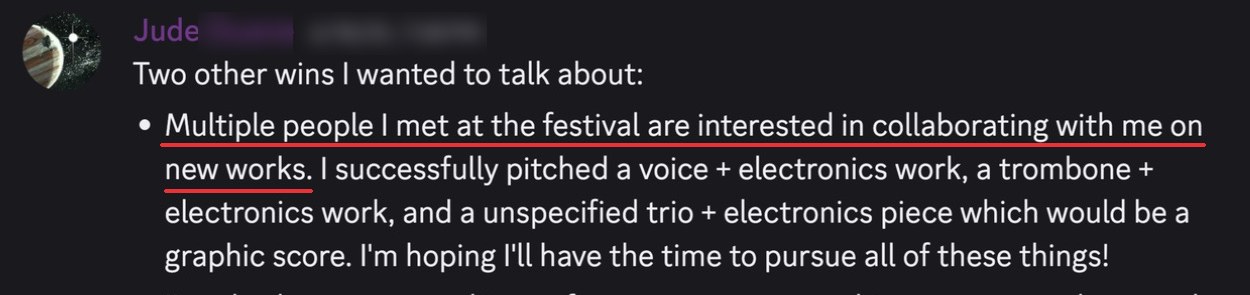
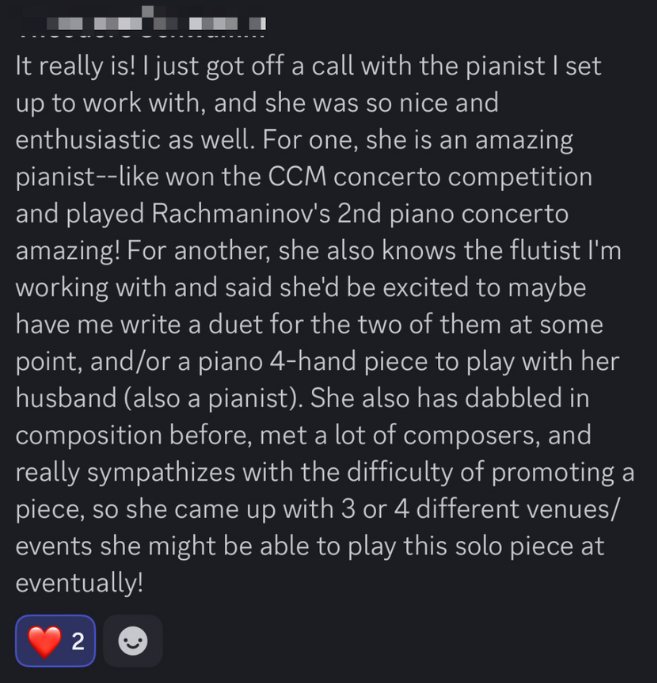
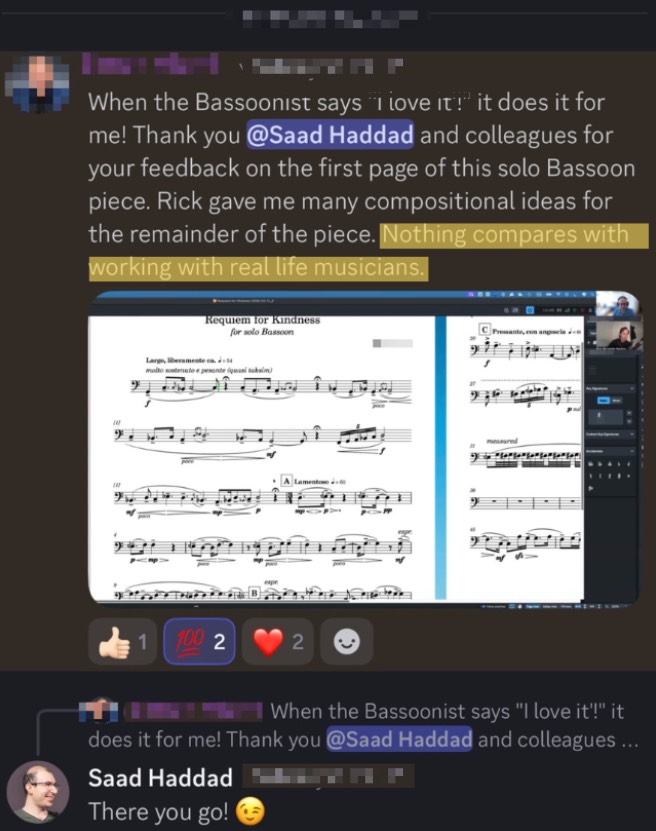
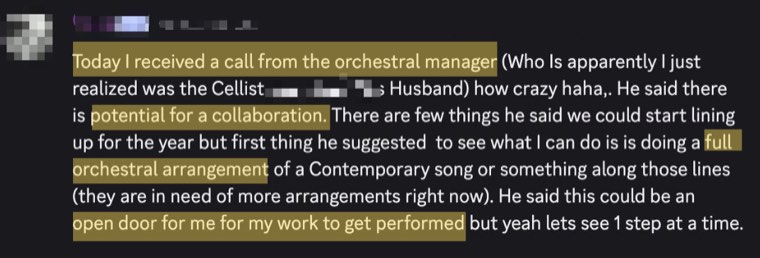
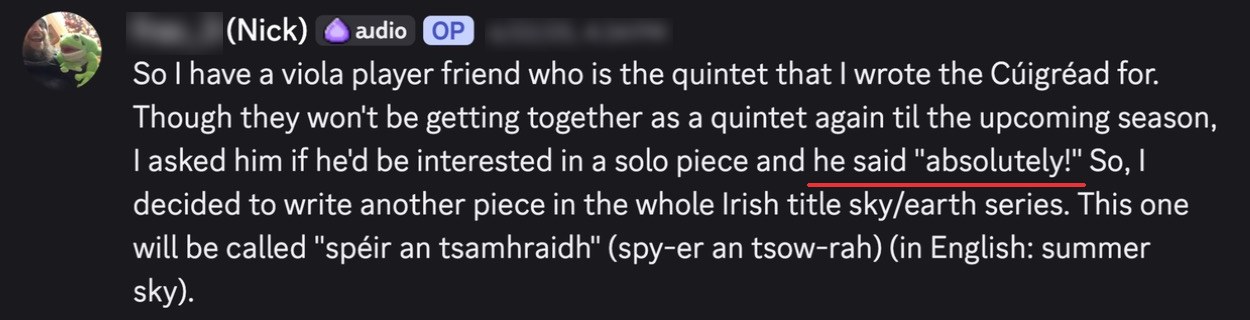
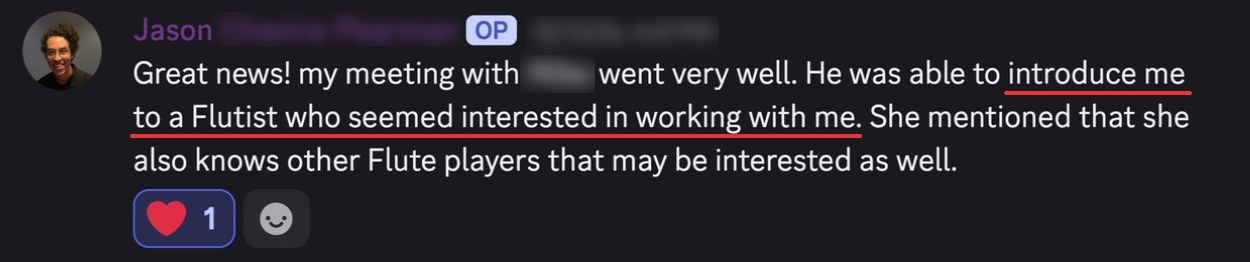
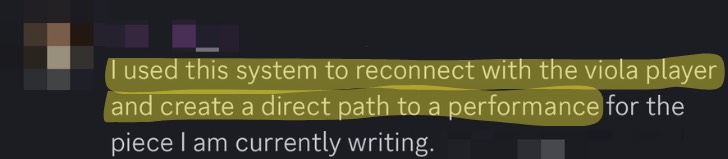
Later I worked with a composer named Jude. His teachers were giving him busy work that led to no performances, and he felt he didn’t have permission to write the music he actually wanted to write. When I told him he could write music inspired by Frank Zappa, his eyes lit up. Then he found out he could do it seriously. I pointed him to the scholarship and the dissertations, and introduced him to people who took that music as seriously as he did. He came back to composing with new energy, and he started meeting performers, in person and online, who were interested in his voice. That was the moment for me.
I think it’s unfair how quickly composers get written off. If you compose, you have something to share with the world that is yours alone, because it comes from a life nobody else has lived. That matters even more in a world that keeps getting more artificial. It’s true whether or not you went to a famous school or know anyone. And it doesn’t matter what one person thinks. You’re looking for your own people.
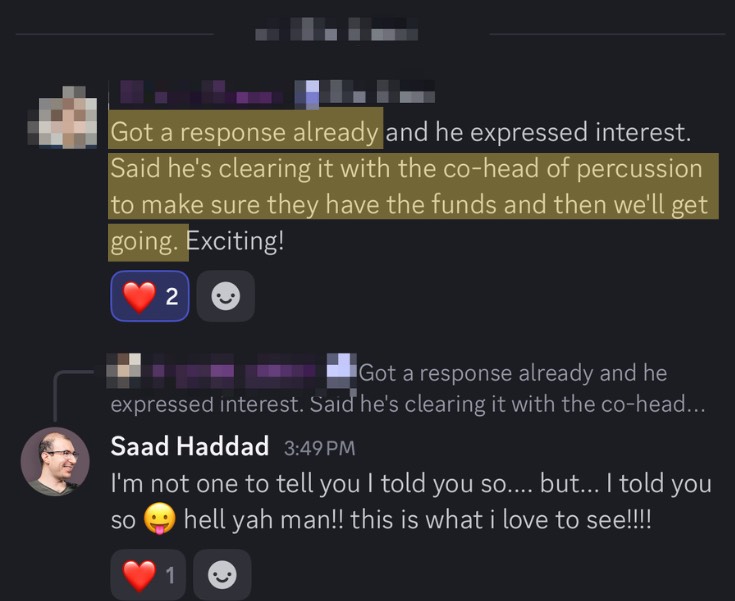
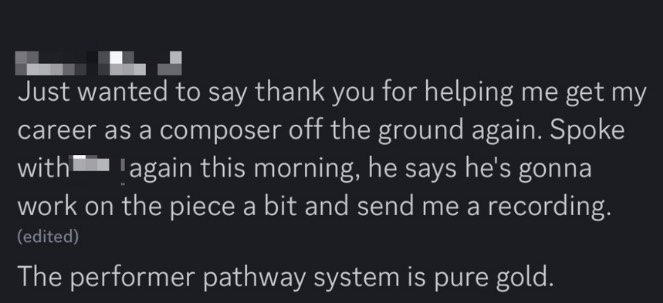
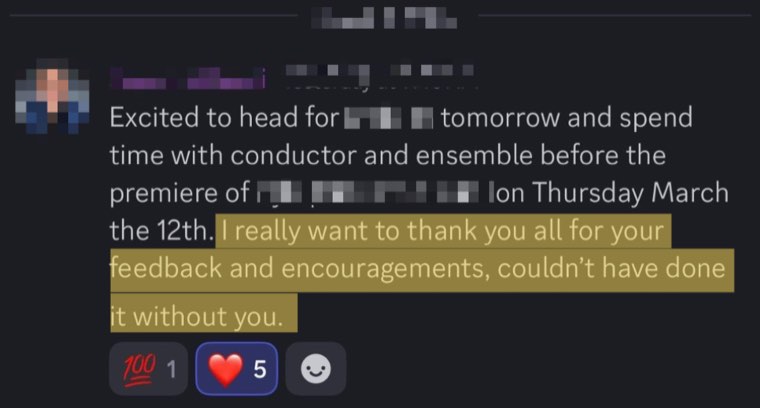
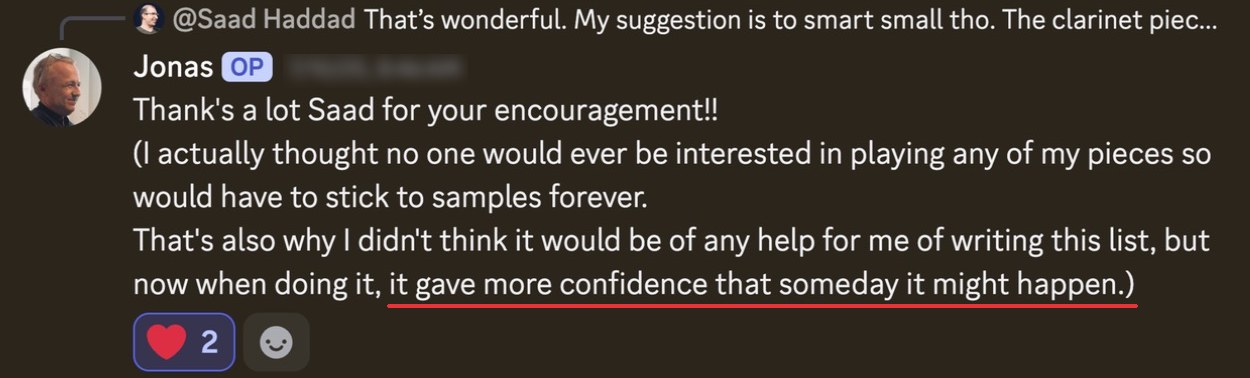
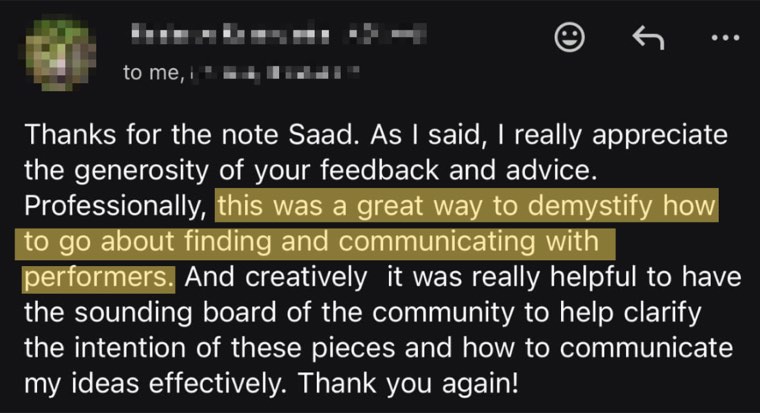
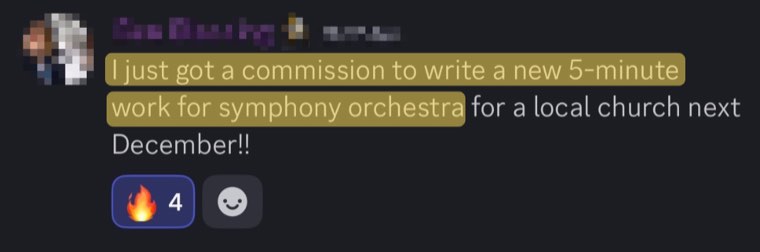
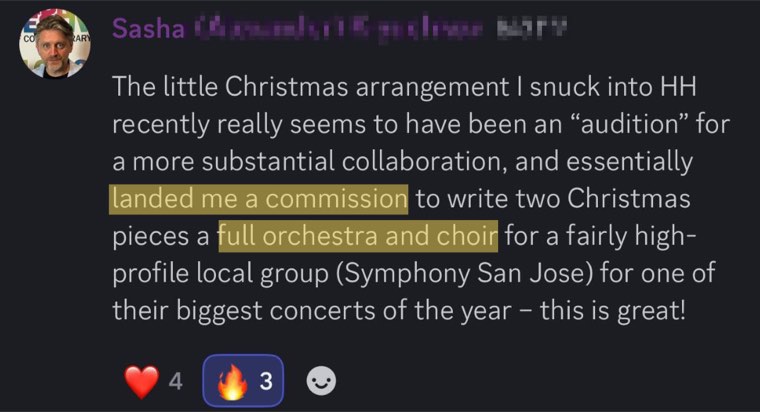
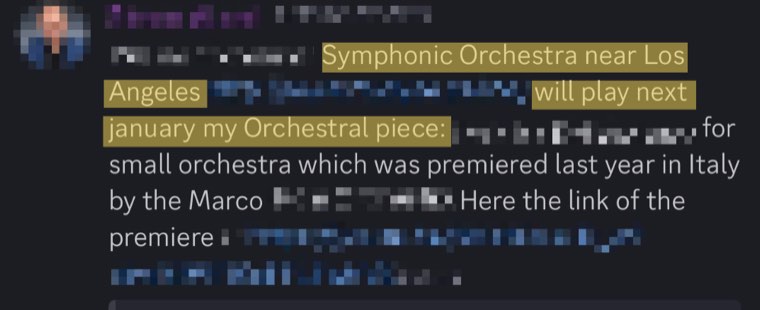
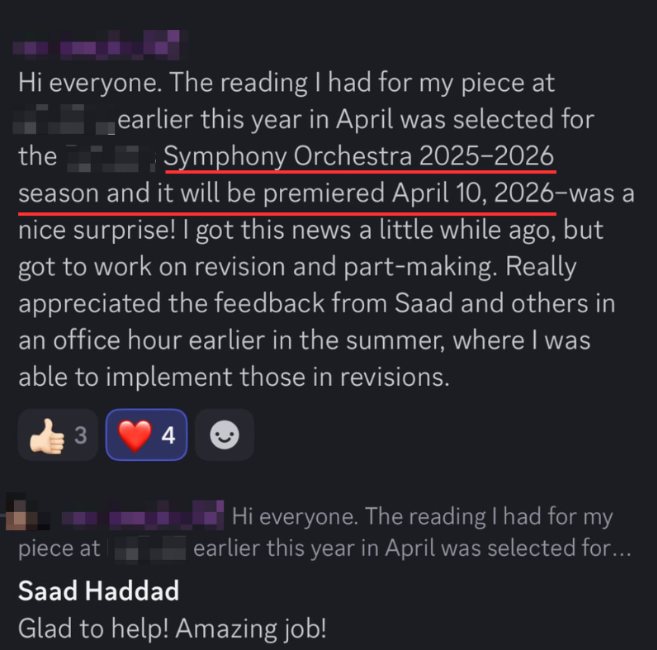
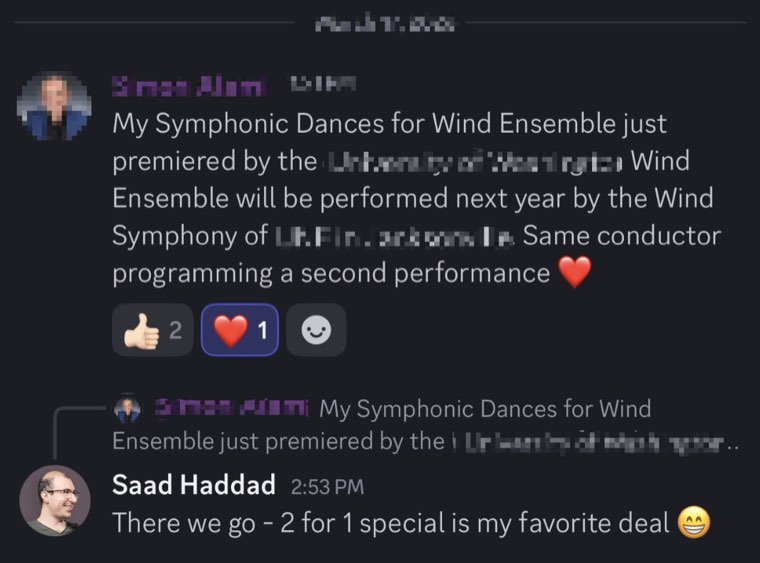
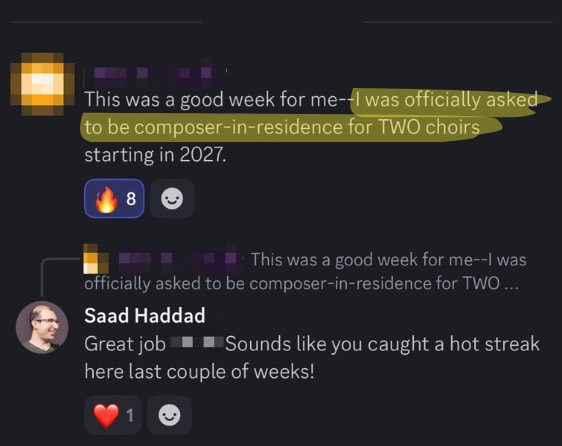
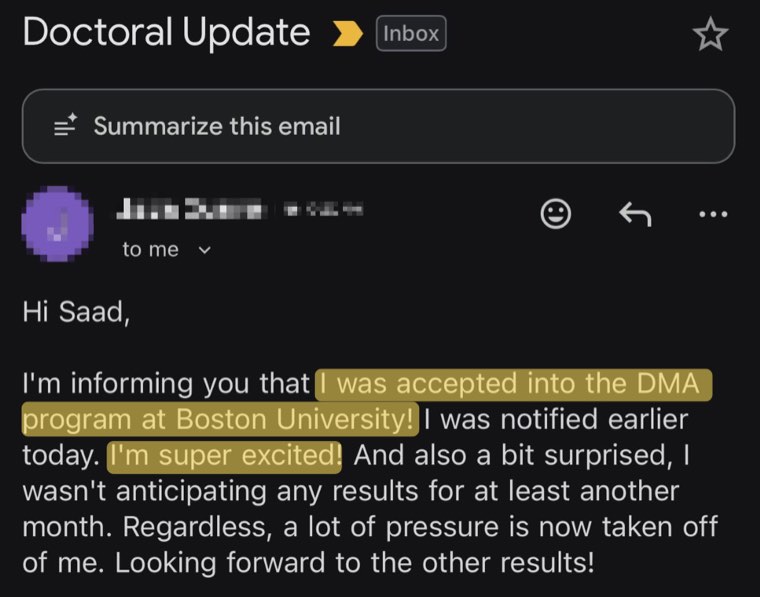
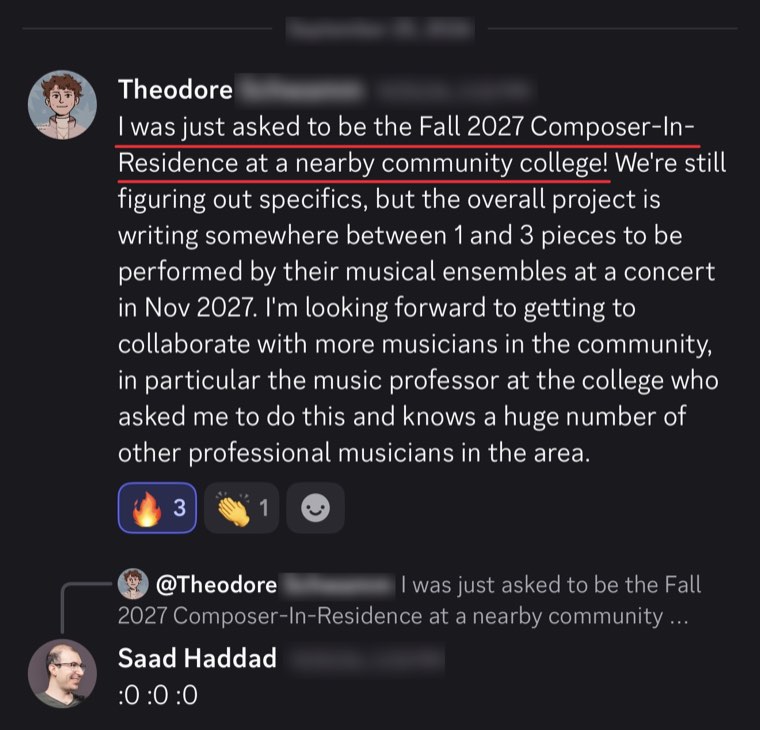
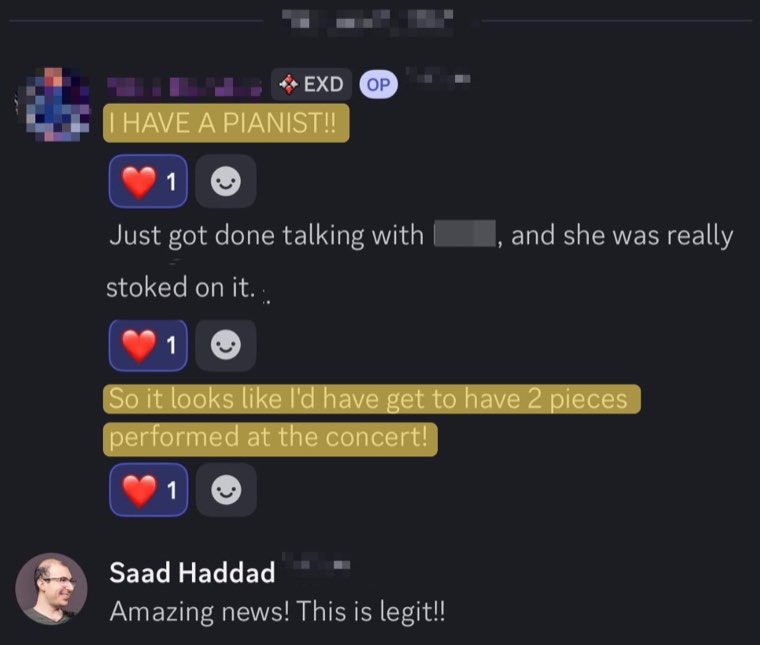
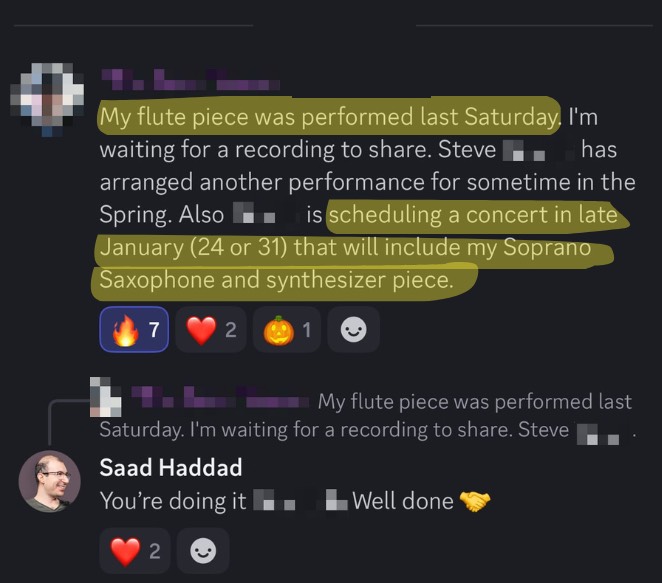
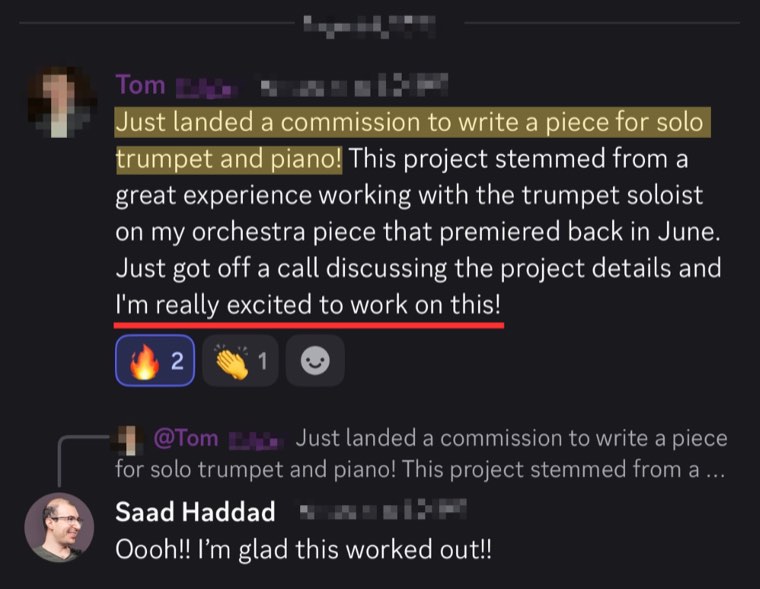
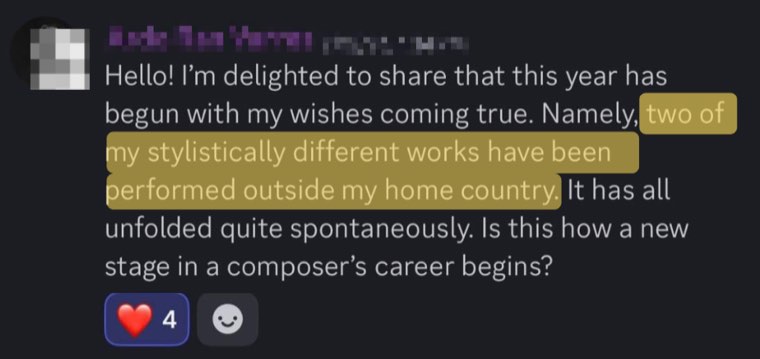
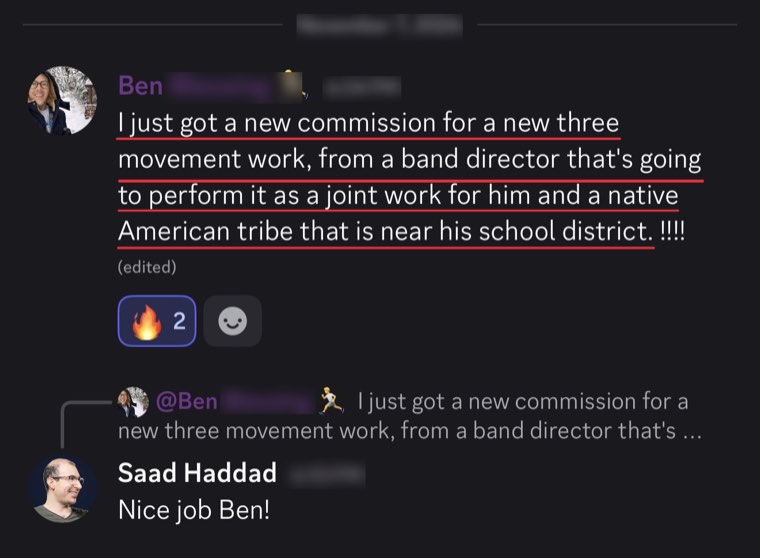
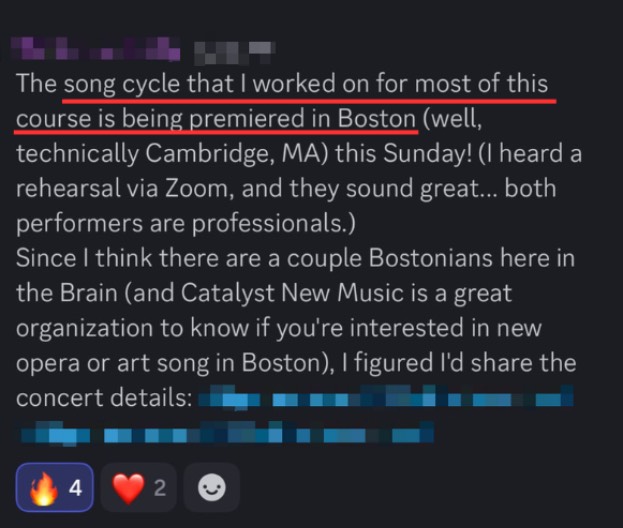
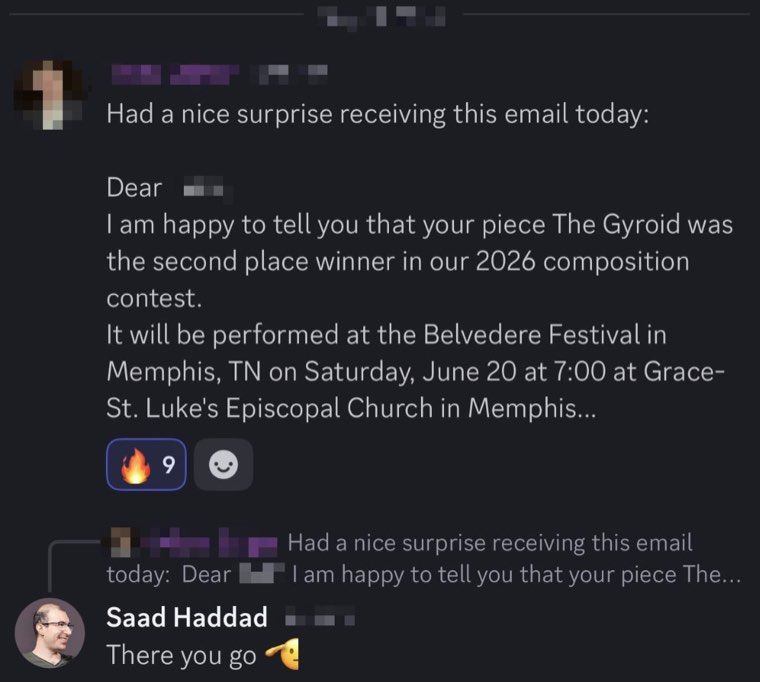
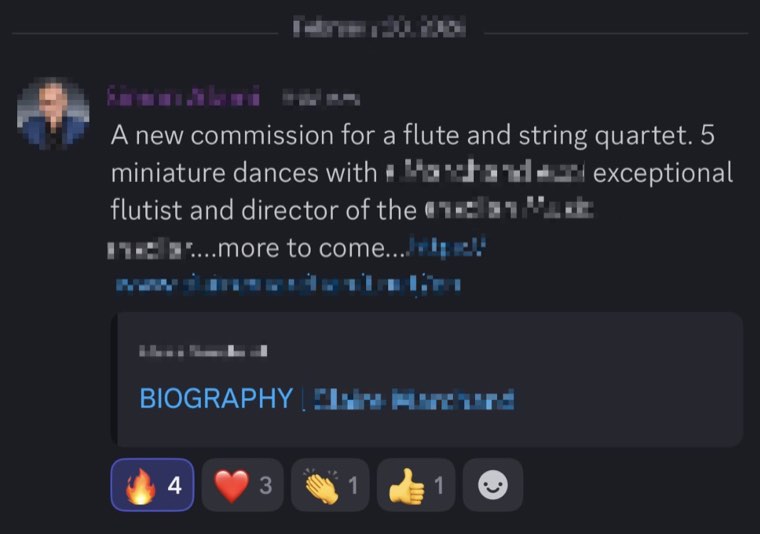
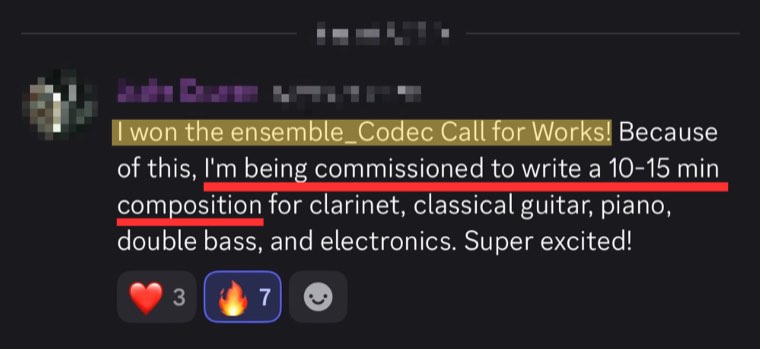
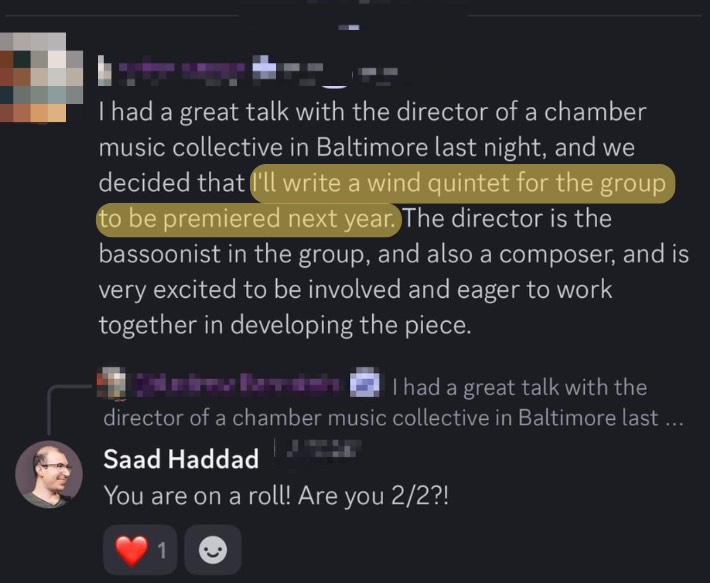
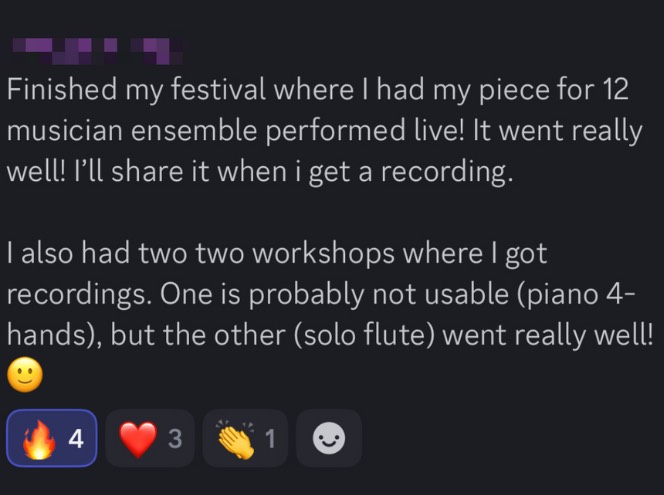
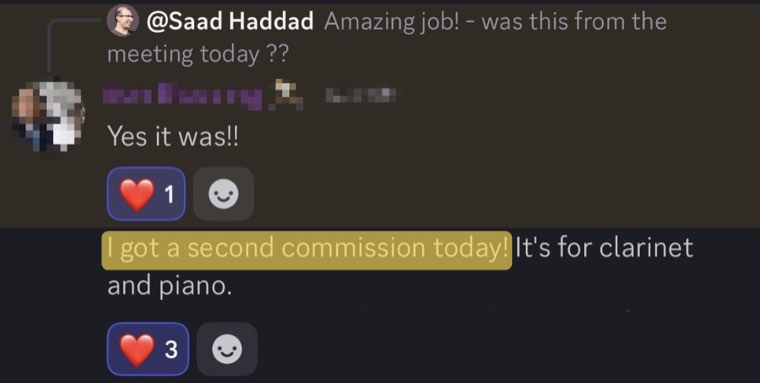
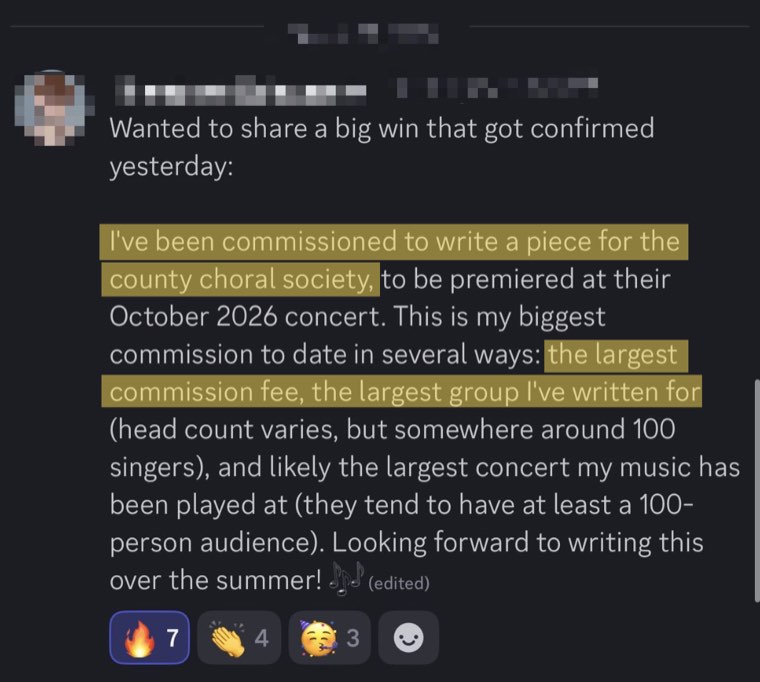
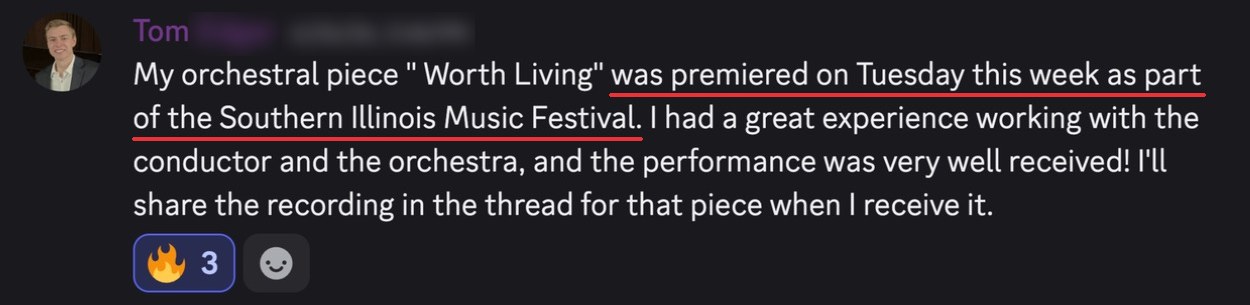
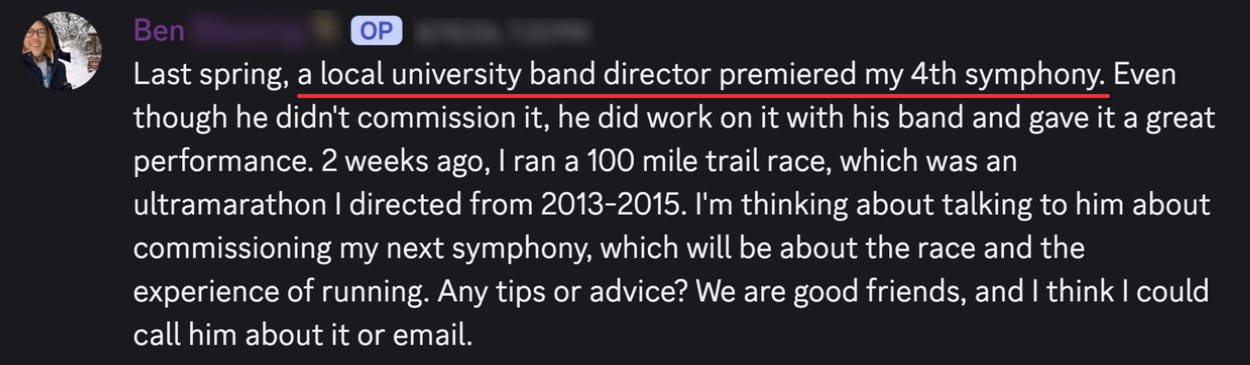
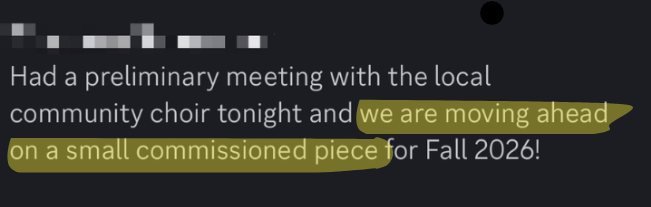
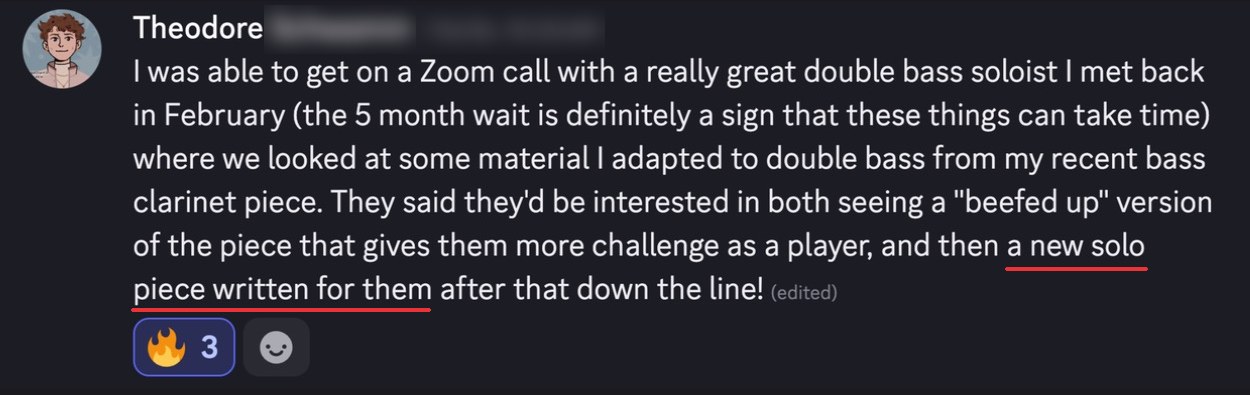
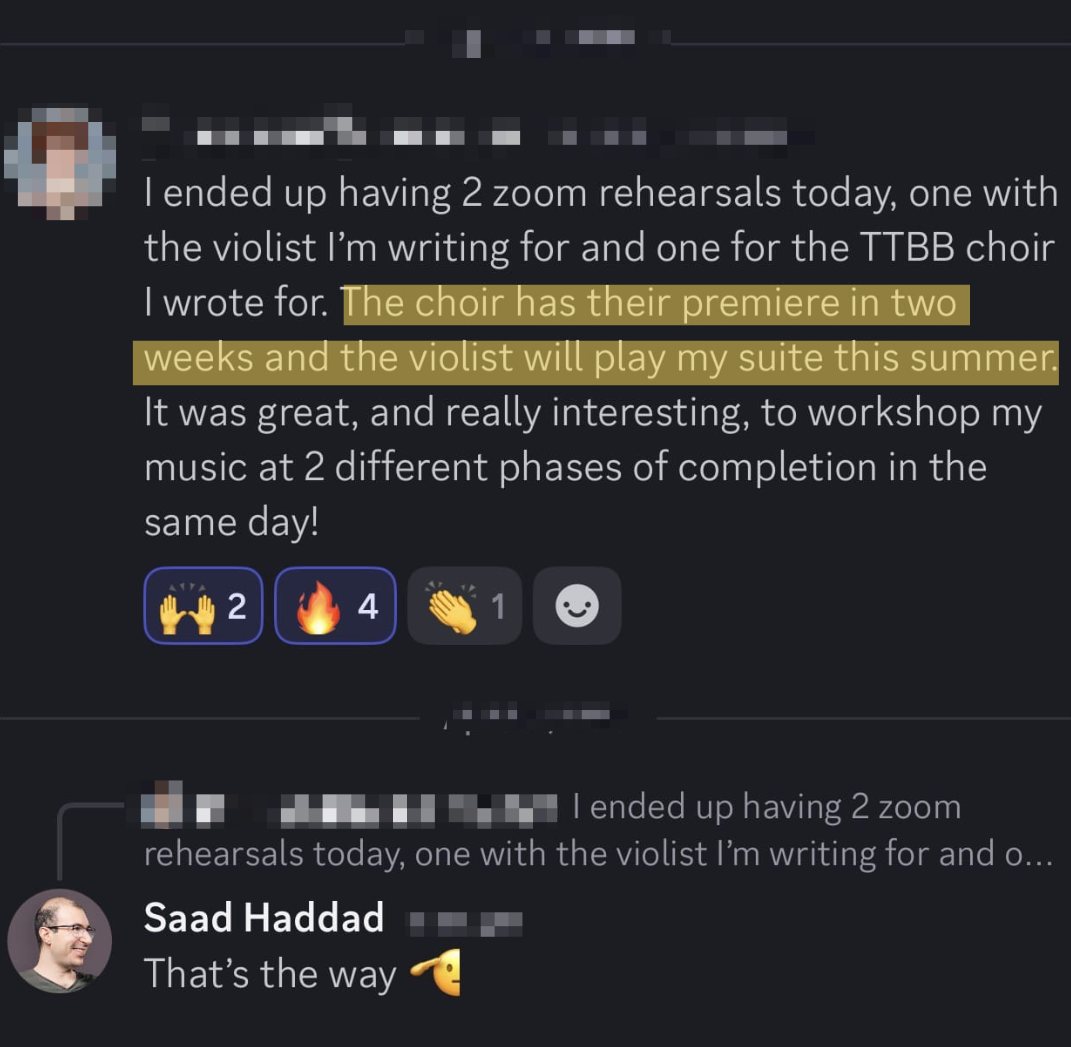
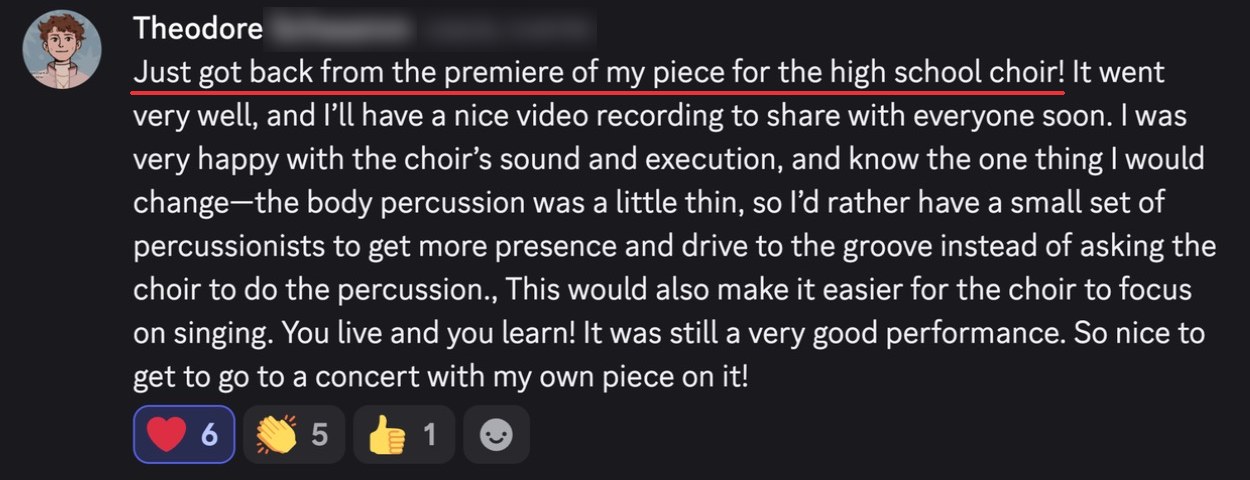
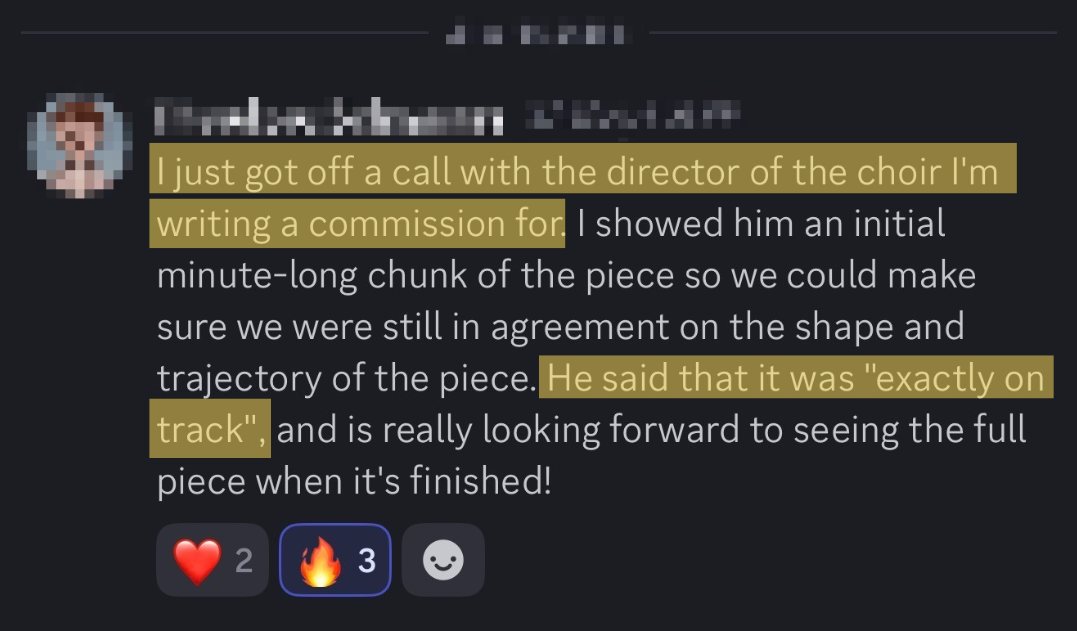
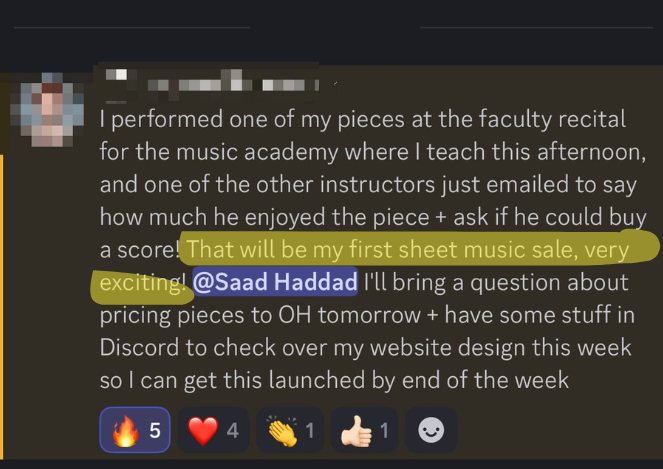
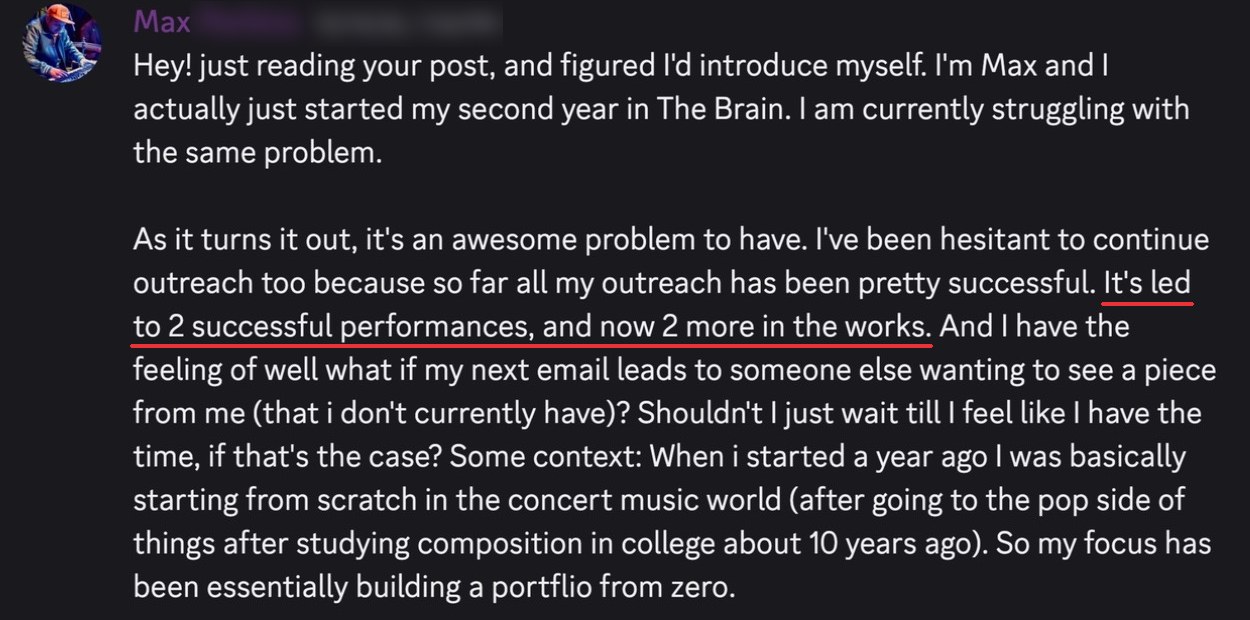
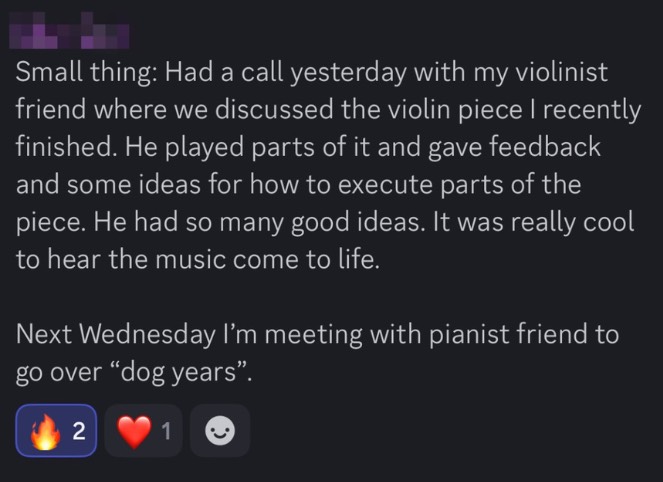
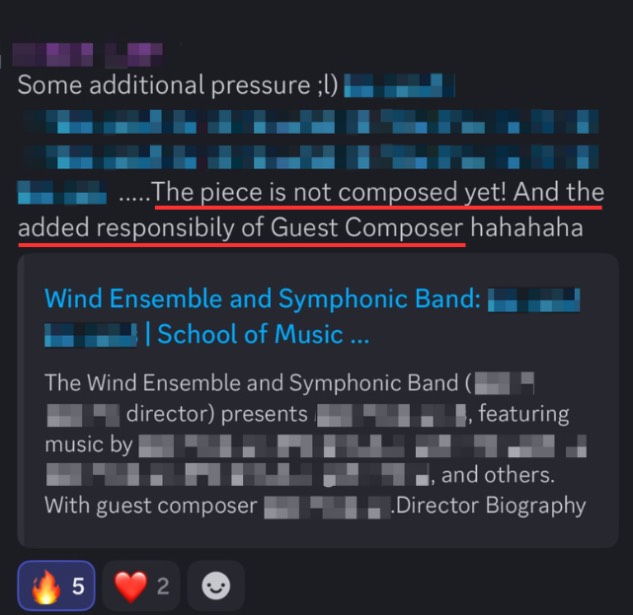
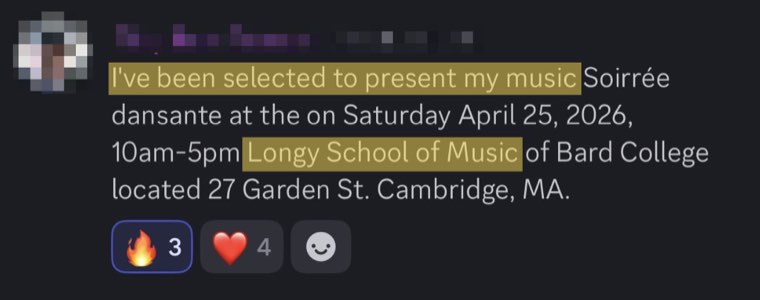
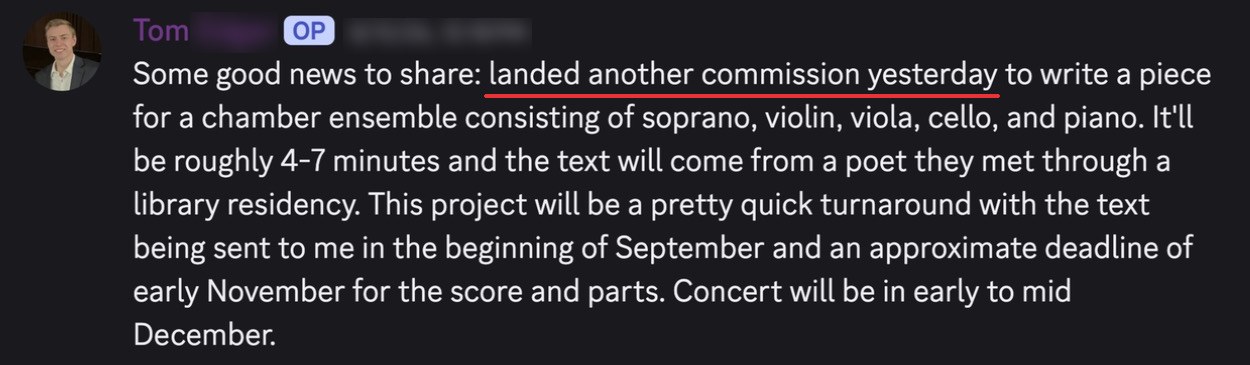
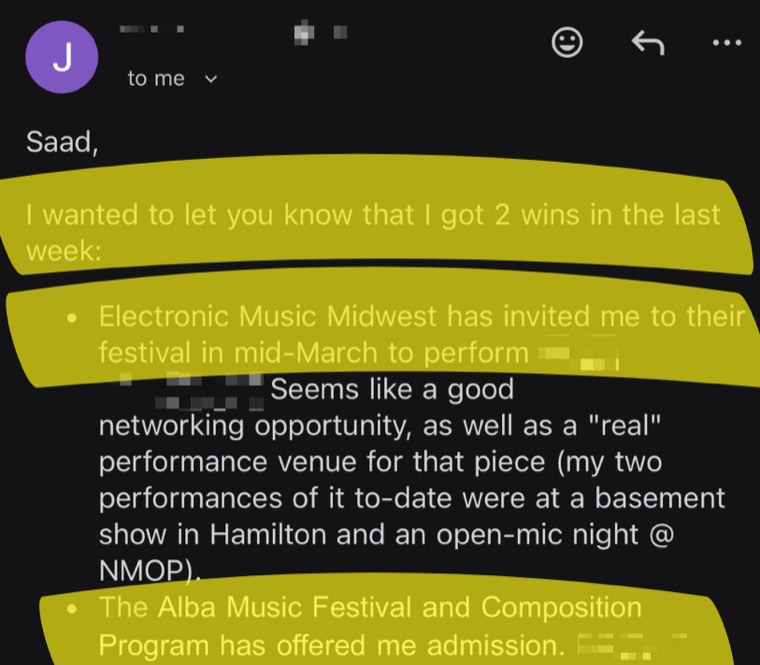
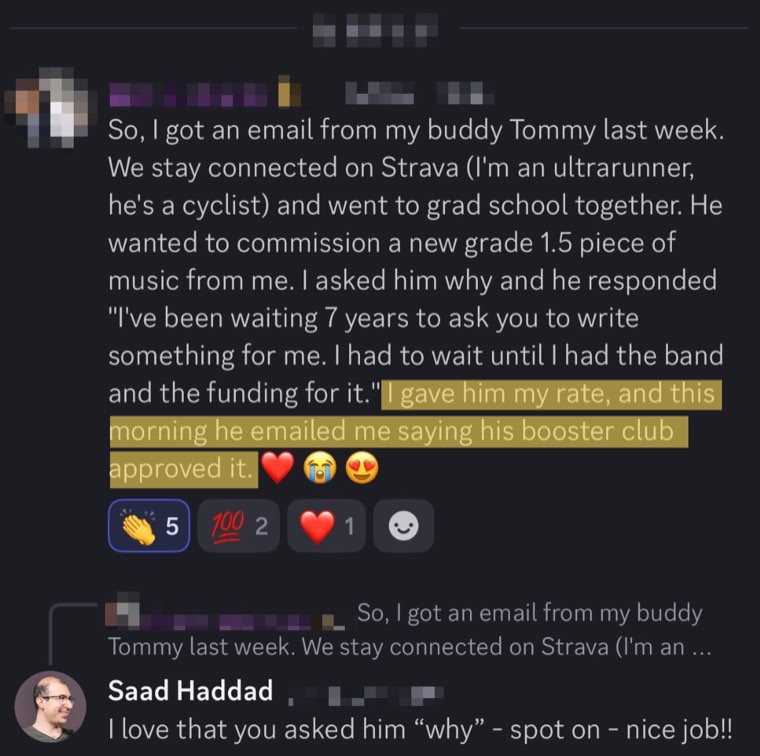
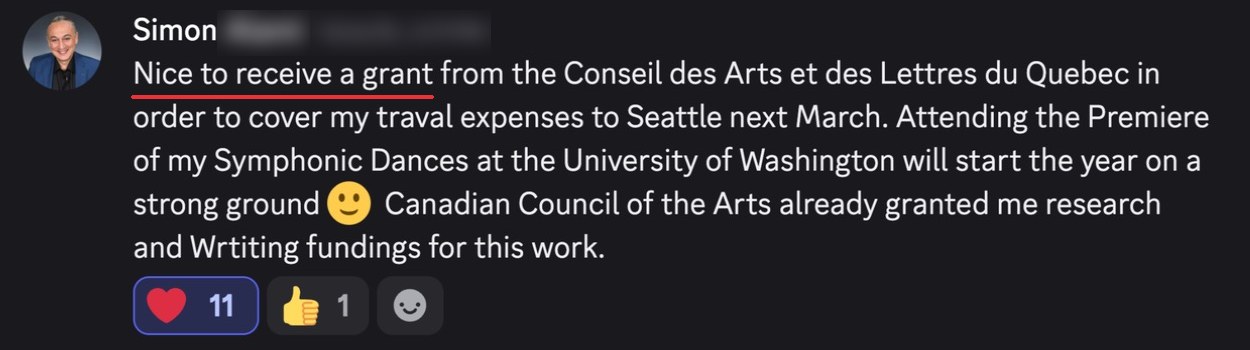
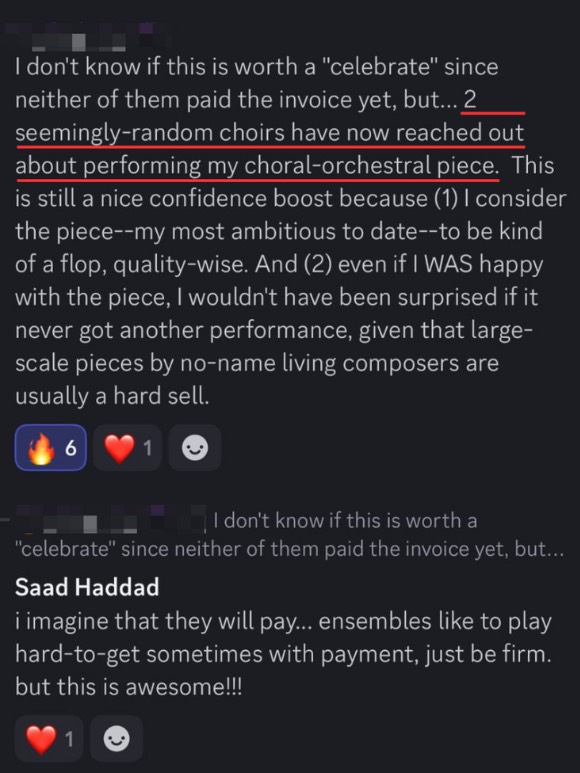
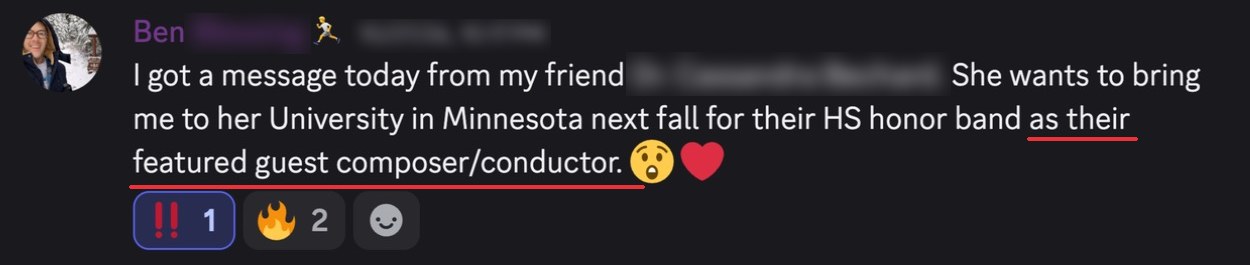
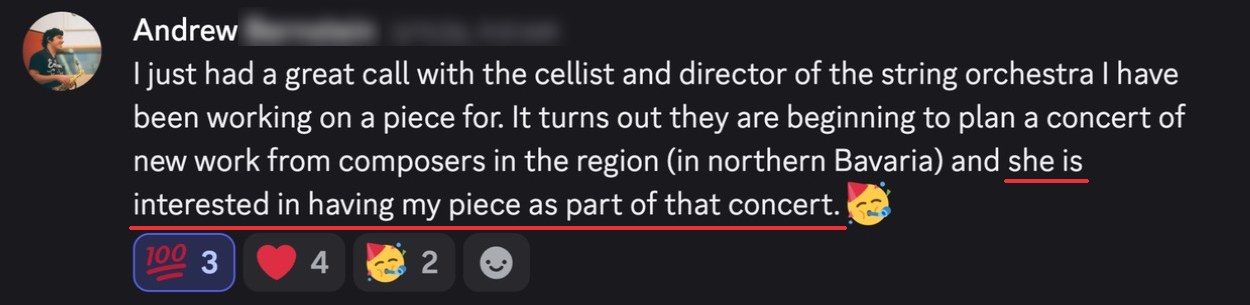
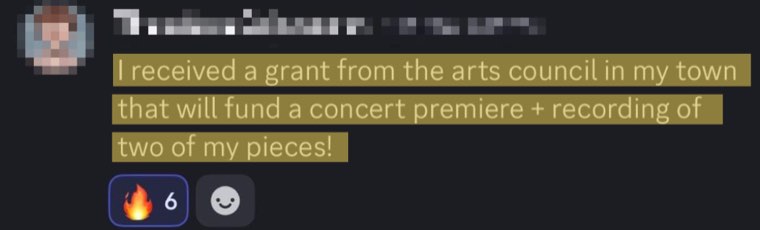
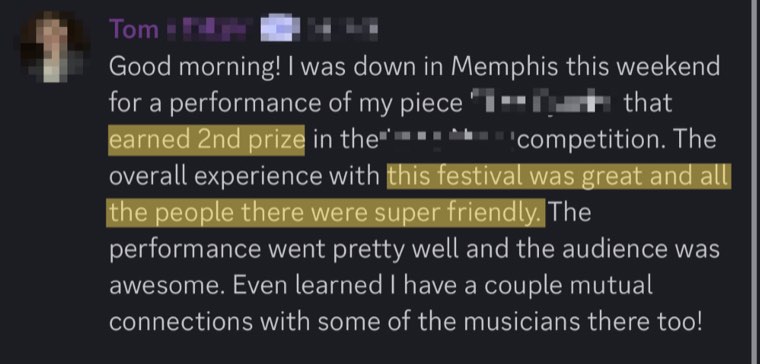
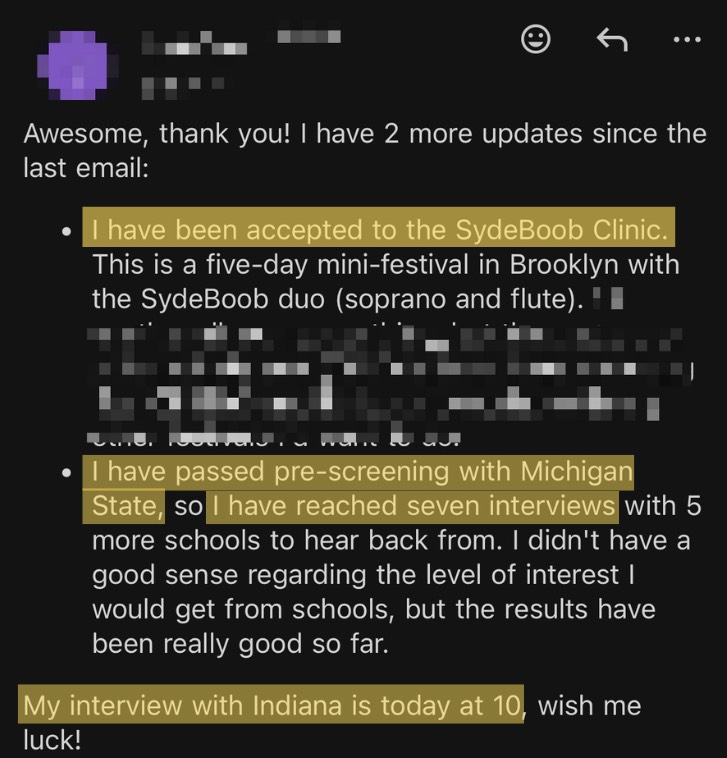
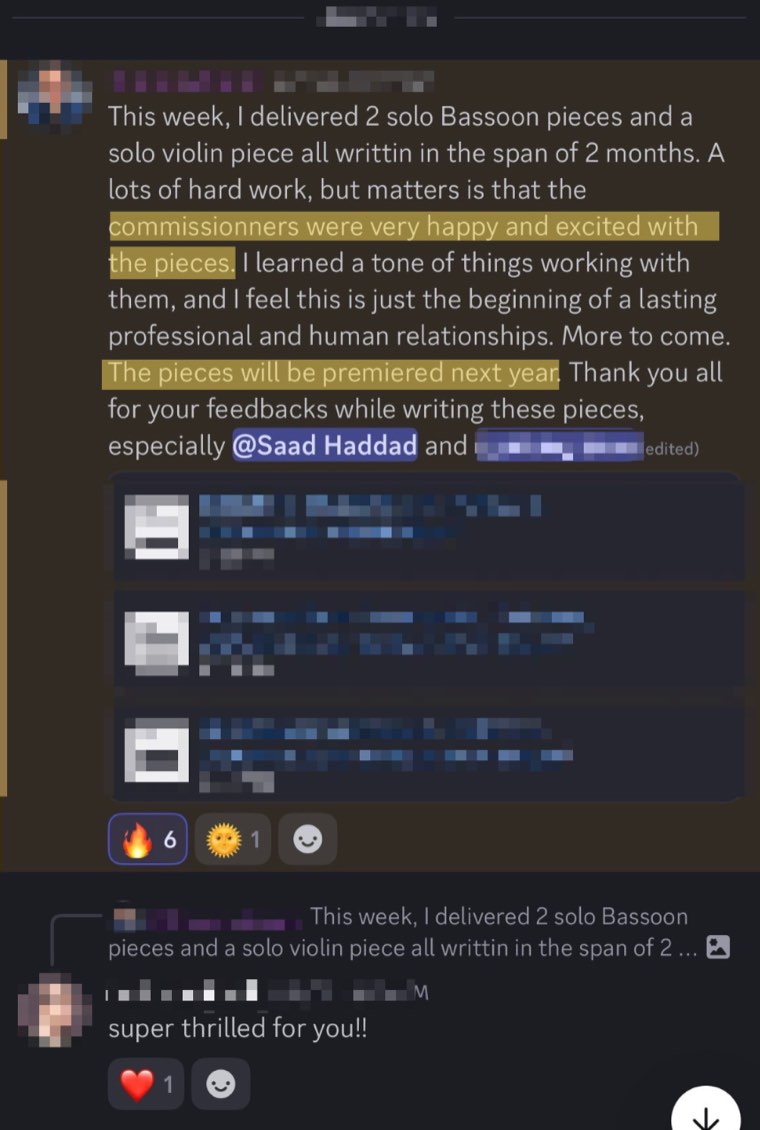
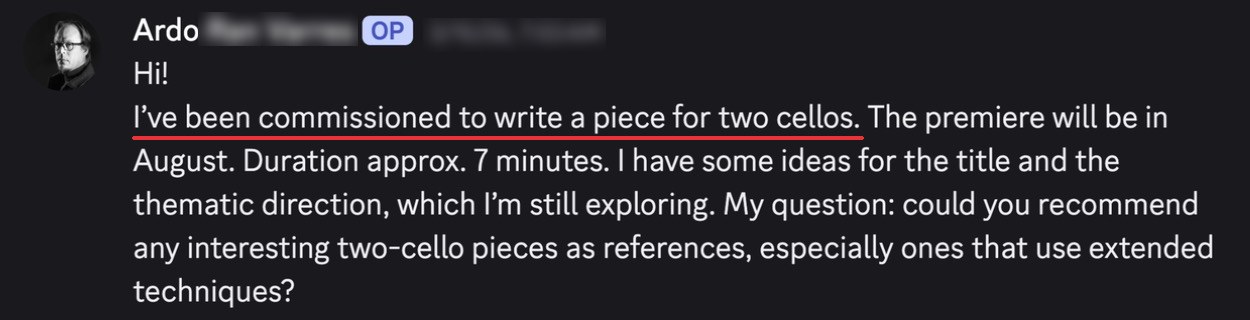
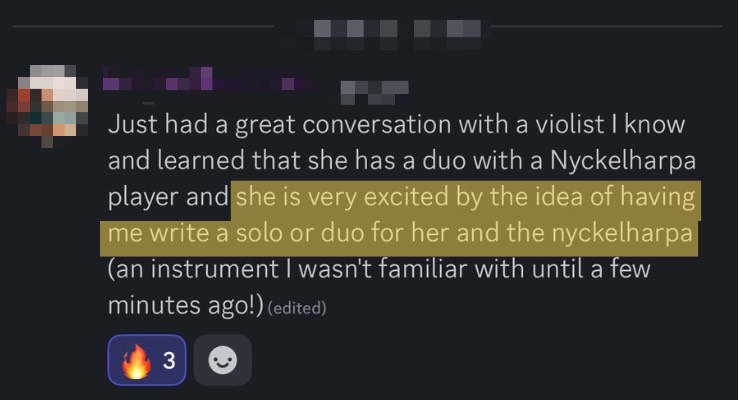
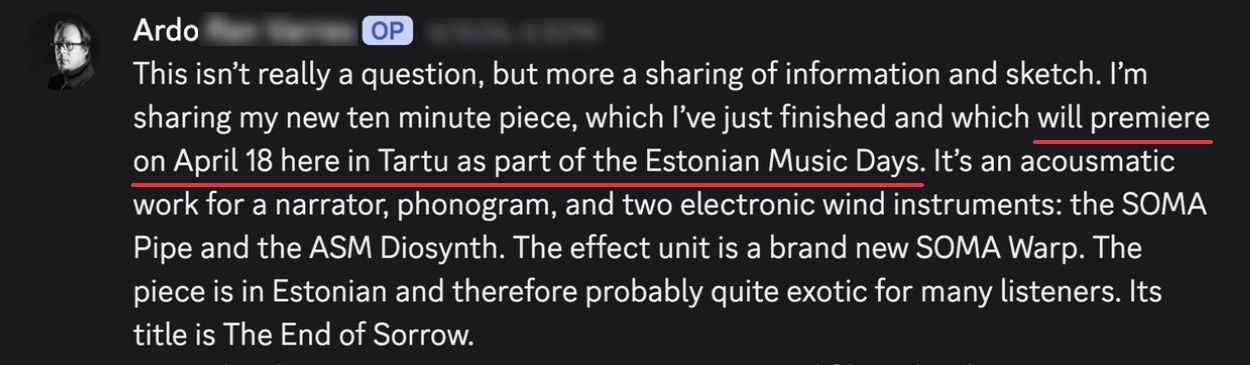
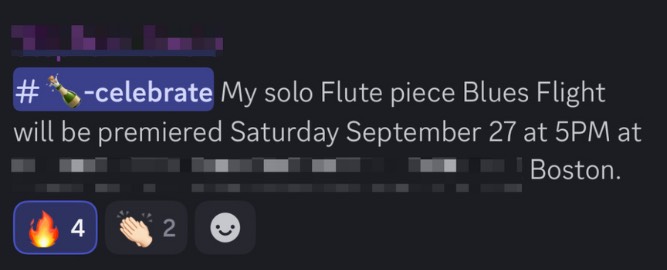
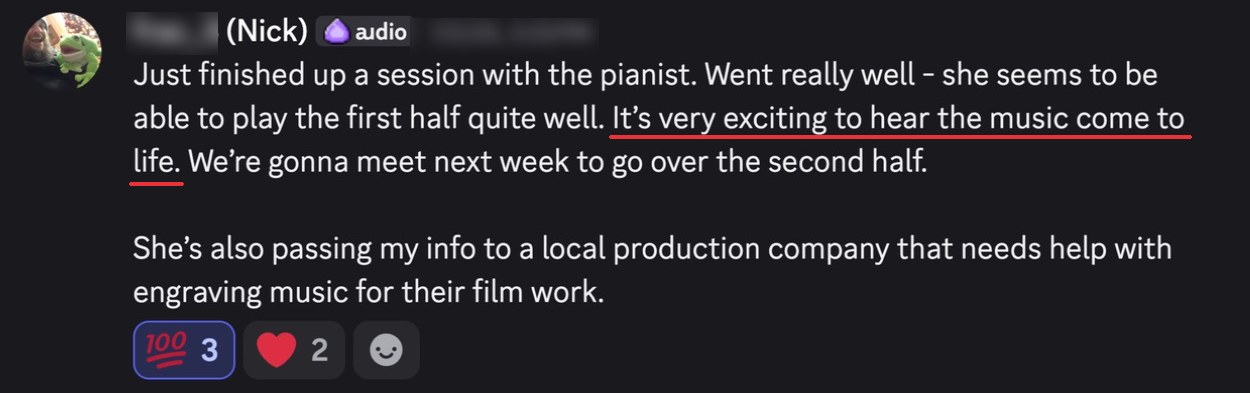
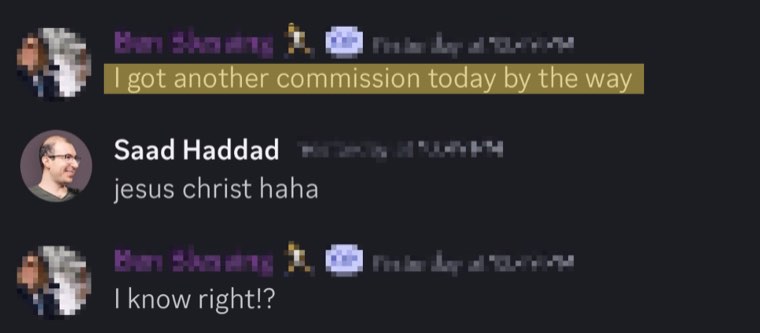
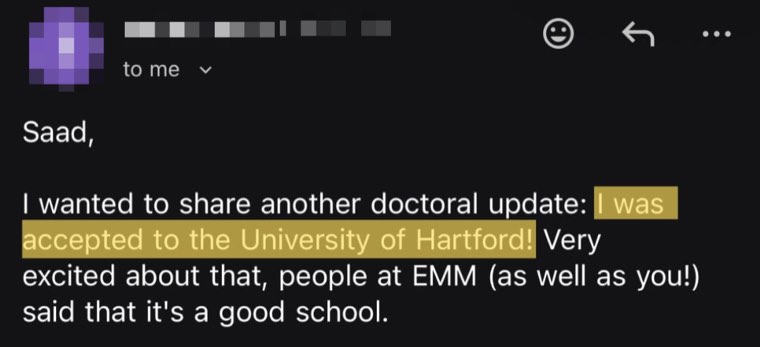
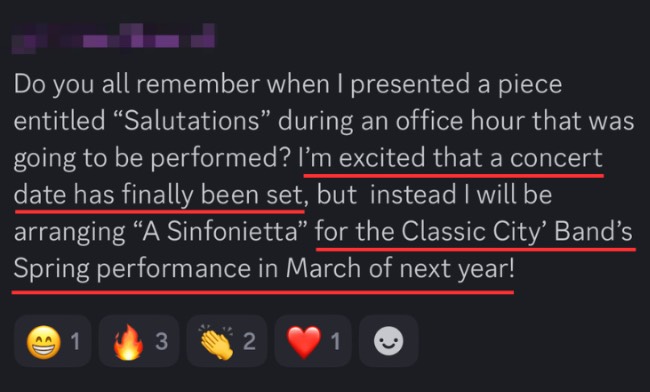
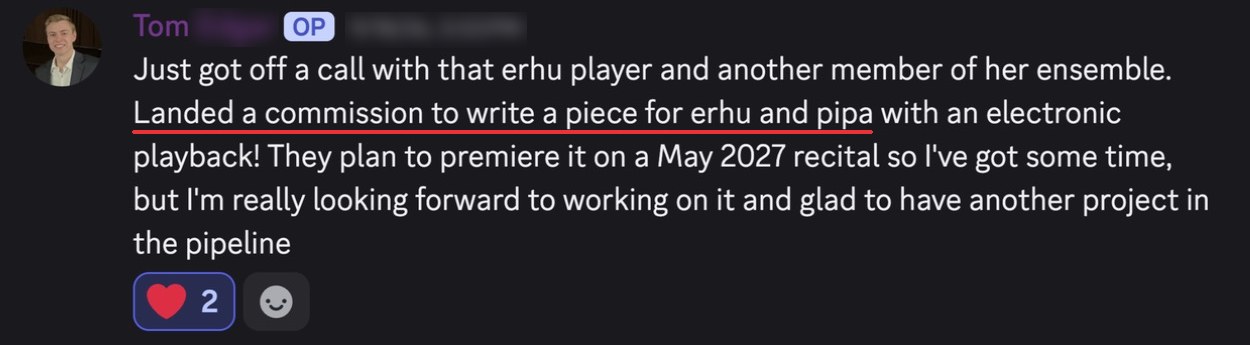
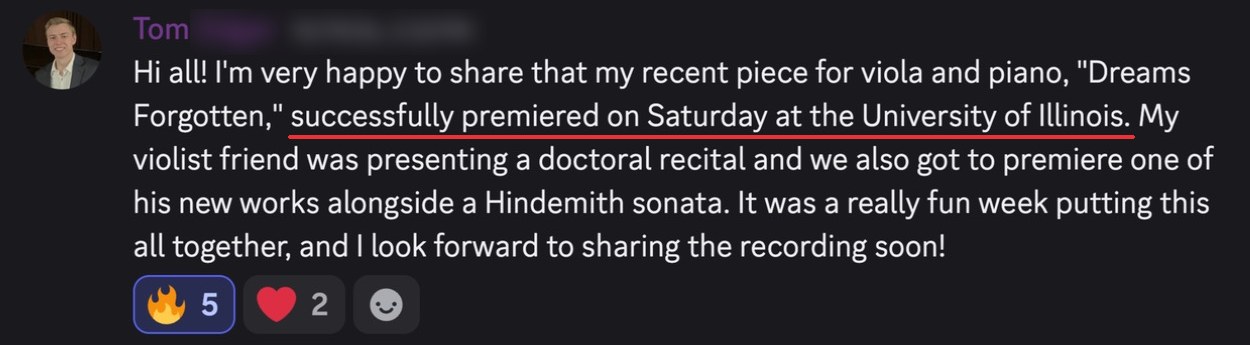
I get a lot of satisfaction from seeing other composers get where they wanted to go. One composer here doesn’t live in a major city and felt that being taken seriously was out of his range. When he was named a composer-in-residence, that one really got to me. I was at my desk, and I wrote to him right away to tell him how proud I was that his effort had led to something so substantial.








.jpg)