
Your talent isn't why you're losing composition contests
If you've been filing away rejection email after rejection email and never getting your music played, the reasons you keep getting cut aren't what you expect. I'll show you all of them, starting with the mistake that gets your score thrown out in the first 10 seconds, and what it actually takes to move your win rate above 0%.
 By Saad Haddad, composer
Here's the video this post comes from (7 minutes), or you can read it below.
- Your score got thrown out in the first round
- You were up against hundreds of other composers
- You hadn't built the performance history
- Build a system that gets your music played first
1. Your score got thrown out in the first round
Let's address the most common mistake I see in contest submissions. I've been on 7 juries, including the composer-in-residence program for the California Symphony, and this is the number 1 mistake that makes me throw out a score without a second look.
I'll show you what I mean by having you be the judge for a little bit. Look at these for 5 seconds. Without actually starting to read through the music, which one are you more interested in diving deeper with?
These 2 bars are from the same score before and after getting engraved to a professional standard. The "after" gets me a lot more interested because of how clear it is.
That decision took you 5 seconds. In a real contest, judges give a score 10 seconds at most before they decide if it's worth a closer look.
- 110 seconds at mostWhat judges give a score.
- ?Is it worth a closer look?Is it easy to read through and understand?
- 2If it isn't, the next scoreThere is always another score in the judge's pile.
If your submission doesn't have the professional quality engraving that makes a score easy to read through and understand, judges will just move on to the next score. And there is always another score in the judge's pile.
2. You were up against hundreds of other composers
Even if your score does make it through this first round of cuts, rejection is still likely. And it's not your talent that's in the way, it's math.
I asked a composer I work with for examples of contests he'd recently applied to where they included the total number of submissions when they announced the winner.
The 2026 League of Composers International Composition Competition, which offers a New York performance of the winner's piece, drew more than 350 submissions. That's a major organization and prize. But the Cambridge Chamber Singers, a volunteer choir, announced that their composition contest had 1 winner from 442 total submissions.
10% is what winning looks like
This level of selectiveness lines up with what I've seen in my own history of applying to contests. My personal stats are about 60 wins or finalist spots out of the 600 contests that I've applied to. That's about 10%.
And that's not just me. Most of the professional composers that I know, people getting performed and commissioned by major ensembles and orchestras around the world, win 10% or less of the competitions they submit to.
The strong scores they're submitting are still fighting for a handful of spots against hundreds of other applicants. So even at a high level, 10% is what winning looks like.
But if your score gets thrown out at a judge's first glance, you're sitting at 0%. That 10% win rate is the ceiling. The scores you submit have to earn that percentage.
3. You hadn't built the performance history
So what do materials that earn this actually look like? A polished score feels like it should be enough for your submission to be considered seriously, but judges are looking for more than that.
Not every contest states this openly, but some do. Here's part of the eligibility requirements of a real contest:
While there is no age restriction, we aim to showcase composers in the early to middle stages of their careers, preferably with several works published or performed at a strong amateur level or above (e.g., a college ensemble or festival).
That's not unique to this contest. It's what every contest I've judged before has been looking for, whether they say it up front or not.
What judges can see in your submission
Even when a contest doesn't ask you to submit a CV or resume that describes your career, judges can see if you have this kind of performance history from 3 things in your submission.
Those are the well-engraved scores I've already discussed, live recordings instead of MIDI, and recordings by strong performers that make your music sound great.
When all 3 things are there, judges can see exactly what they're looking for, a track record of performances.
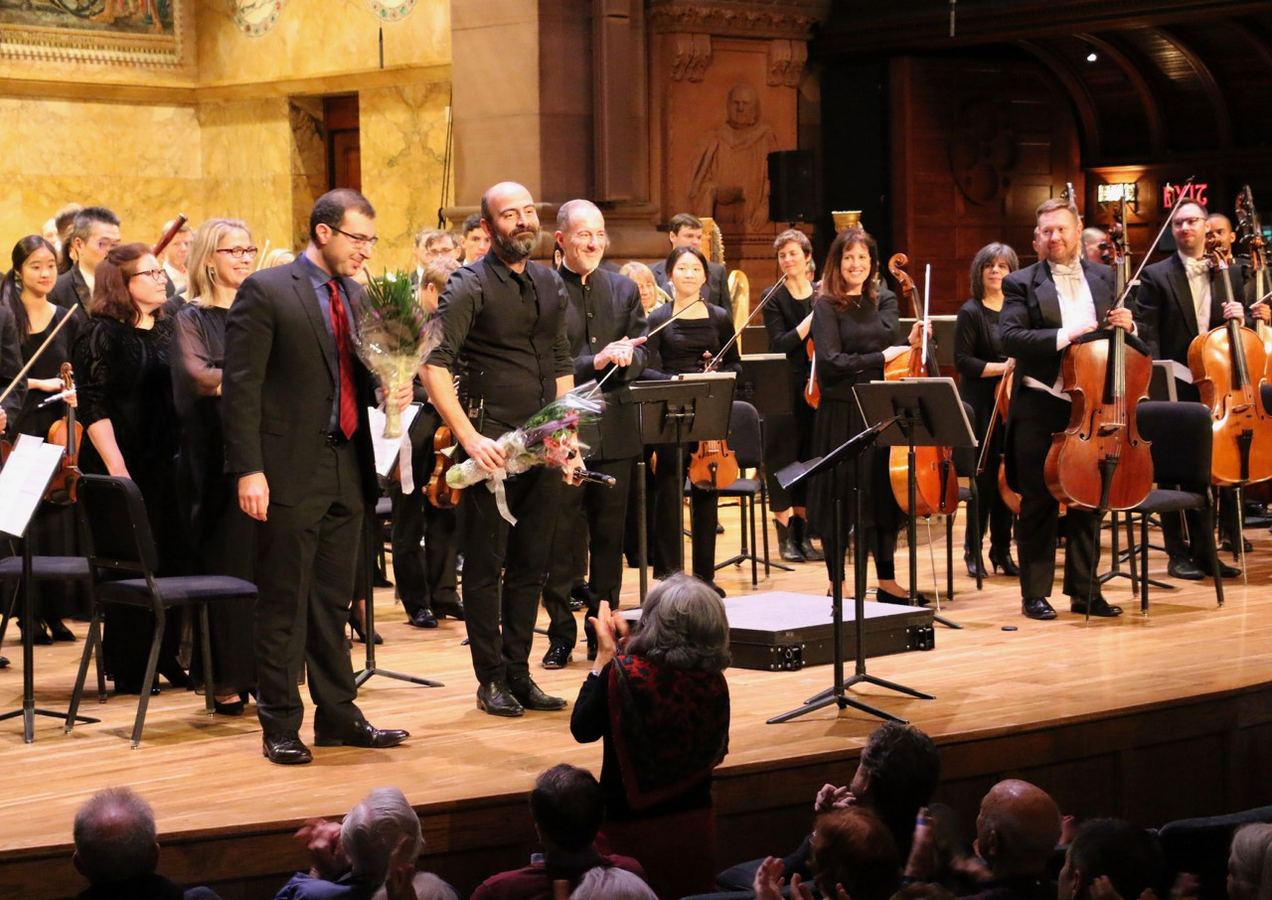
You know exactly how it feels to be stuck here
This is a major problem, because you're hoping contests would give you performances, and performances are what contests are asking you to already have.
If you've ever gotten a rejection letter from a contest before, you know exactly how it feels to be stuck here. Here's part of a rejection letter that a composer I work with got from a mentorship program that commissions and performs a new piece from each composer they select:
After a careful review, we regret to inform you that your application was not able to be moved forward. We wish you nothing but the best in your future projects, and the review panel was grateful to have become acquainted with your musical work.
You spend an hour or more putting together an application for something like this, then get a form letter back.
So you close the email and start looking for the next competition to submit to, but you're still feeling that emotional sting of rejection. And eventually it probably hits you that what hurts most is missing another chance to hear your music played in the real world.
Build a system that gets your music played first
If your only plan for getting your music performed is submitting to contests, you're waiting for somebody else to choose you. The alternative is a steady system that you control.
One composer I work with lined up 10 performances of new pieces in just 1 month by reaching out directly to musicians.
You're waiting for somebody else to choose you
Lined up 10 performances of new pieces in just 1 month
With a system in place, you build a track record of performances that contests look for, and wins start getting more and more likely.
Losing contest after contest has never been about how talented you are.
It's happened because your score got thrown out in the first round. You were up against hundreds of other composers for a handful of spots. And you hadn't built the performance history that makes winning more likely.
You don't need to stop applying to contests forever
That doesn't mean you need to stop applying to contests forever, but it does mean you need a different strategy for getting performances. Build a system that gets your music played first, then apply to contests with the pieces that are getting played.
- Firstbuild a system that gets your music played
- Then applyto contests with the pieces that are getting played
- Winsstart getting more and more likely
To start building that system, I put together a 30-day plan for getting musicians to agree to play your music by asking the performers in your community, even if you don't know anyone yet.
Instead of waiting for a form rejection letter from a contest, you'll learn how to talk directly to people who would be open to playing your music.
And even once you've gotten more performances, there's one more thing standing between you and contest wins, and that's knowing how a judge actually decides which scores win.
What to do next
If you're ready to stop waiting for somebody else to choose you, grab my free guide to getting commissioned in 30 days.