
The blog
If you're a composer whose music isn't getting played, here's what's worked for me and my students to get new pieces performed by soloists, ensembles and orchestras.
Your talent isn't why you're losing composition contests
If you've been filing away rejection email after rejection email and never getting your music played, the reasons you keep getting cut aren't what you expect. I'll show you all of them.
Read the post
Why musicians don't reply when you email them your music
I sent 600 emails to orchestras and got zero performances from it. Here are the 3 mistakes behind that failure, and what I would do instead.
Read the post
Orchestral score details that cost you the players' trust
Ever wonder what 70 professional players think when they open up a brand new score? Every detail on your page either builds their trust or costs you some of it, before even the first downbeat.
Read the post
How to develop a rhythm throughout an entire piece
Most composers spend years learning harmony and counterpoint and almost no time on rhythm. If you agonize over every note choice but throw your rhythms together, here's how I come up with a rhythm and develop it.
Read the post
What 21 orchestras taught me about writing for orchestra
After performances by 21 orchestras around the world, I can tell you it's nothing like most composers expect. I'll walk you through 6 lessons that I've learned.
Read the post
What the first page of your chamber music score says about you
Ever wonder what your score says about you before anyone hears a note? When I open up a new score, the first page usually tells me the composer's level before I even reach the second system.
Read the post
What stops composers with day jobs from getting performed
If you write music around a demanding day job, you're a lot like my student Tom, who's a full-time airline pilot. I helped him land 5 times more performances, and I'll show you the exact 3 changes that made it happen.
Read the post
Getting your music performed without cold emails
If your writing is solid but no one's reaching out to you, it's almost certainly not about the music. I'll walk you through the exact 3-step approach I'd use to go from zero to real musicians performing your work.
Read the post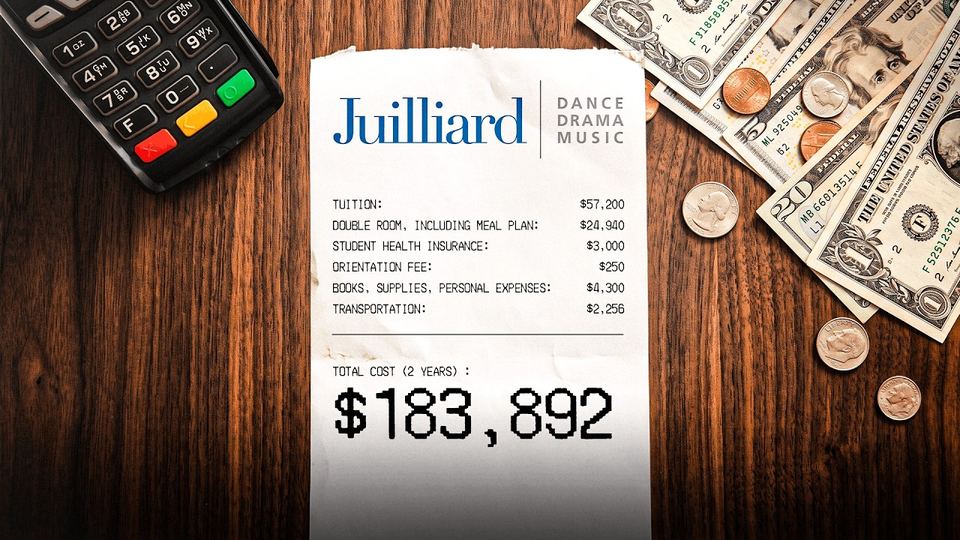
Was going to Juilliard for composition worth it?
Looking back, I barely remember a single specific thing they taught me in my music classes and lessons at Juilliard. So was it worth it? The answer is yes, but the reason is going to surprise you.
Read the post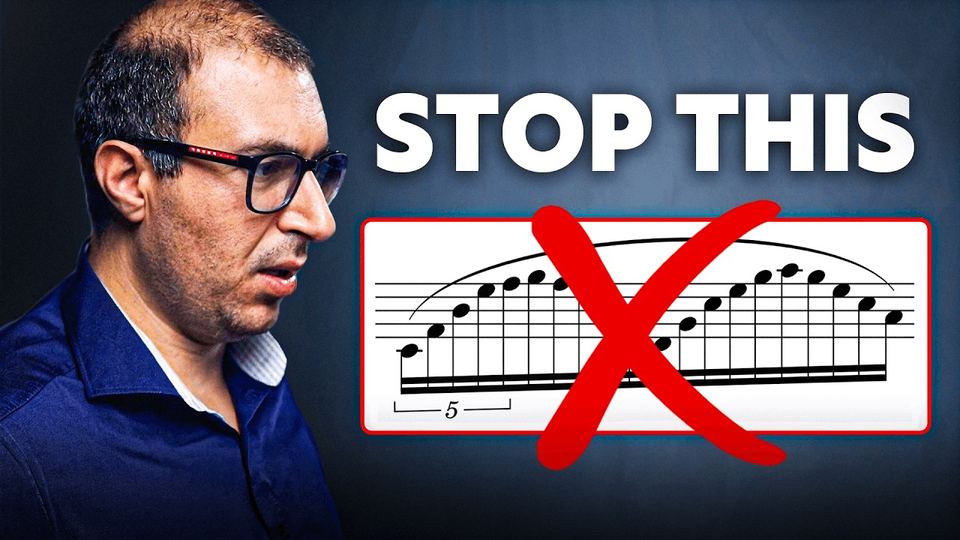
Why performers pass on your solo pieces before playing a note
Ever wonder what a performer decides the first time they open your score? They decide it before they play a single note, and after working with hundreds of musicians myself, I can spot it pretty fast.
Read the post
What composition competition judges look for
Most competition entries get eliminated before a judge hears a single note. I've been on 7 juries, and these are the 5 things that actually decide who wins, from how your score looks on the page to what your music has to say.
Read the post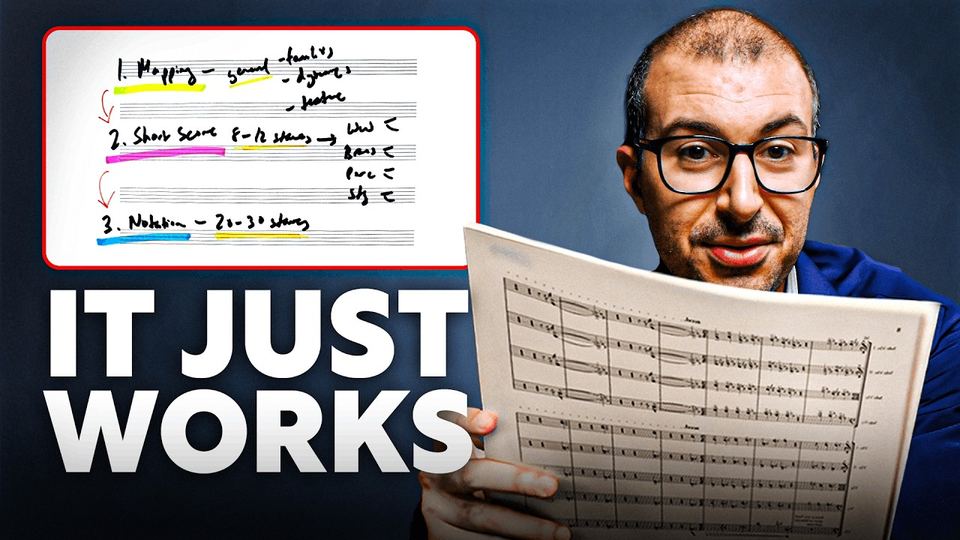
Orchestrating a small piece instead of starting from scratch
If you already have a small ensemble work, that's usually going to be your fastest path to an orchestral performance. I'll show you my 3-step orchestration method with 4 real sections from my piece Kaman Fantasy.
Read the post
Most composer websites bury what performers look for
Conductors and performers aren't judging your design skills. They're scanning for something specific, and most composer sites bury it completely. Here's the rubric I use to evaluate websites.
Read the post
You could be losing commissions over your program notes
If your program notes don't immediately give performers a reason to be excited about you, you could be losing out on commissions. Here are the exact 3 steps I use to write them.
Read the post
Is it too late to start a composition career?
If you think you're too late for a career composing concert music, you're probably asking the wrong question. My student Simon went from zero experience at 55 to a 15-minute wind ensemble commission 5 years later.
Read the post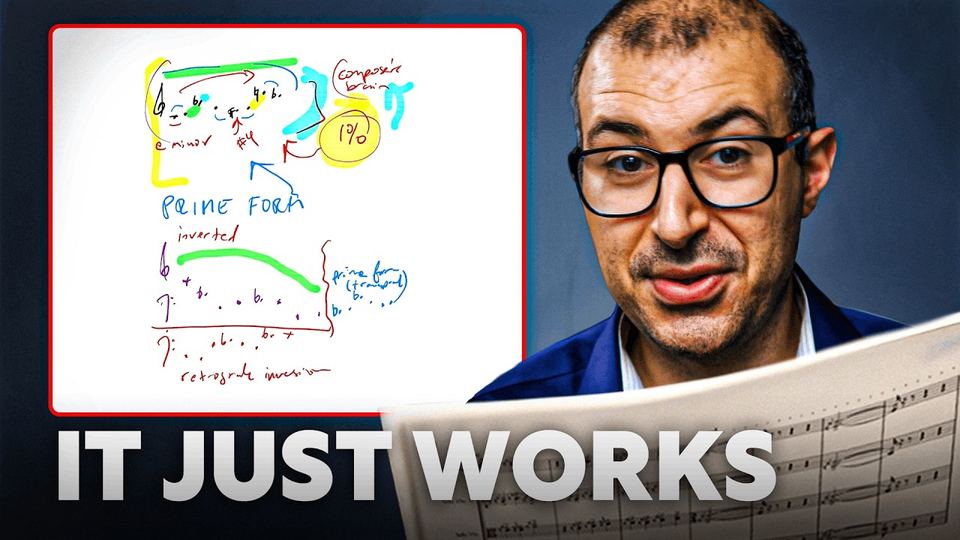
How to write a melody and develop it over time
We as composers put a lot of pressure on ourselves to write what I call a catchy or memorable melody. It's not necessarily the case that you have to create one for your piece to have legs.
Read the post
How to compose a piece of music in 4 steps
Ever feel totally stuck trying to get the music in your head onto sheet music? I struggled with that all my life until I developed a 4-step composing process.
Read the post
When performers don't say yes to your new piece
What are professional orchestral musicians actually looking for from a new piece and the composer behind it? I asked 5 musicians and conductors from the California and Kansas City symphonies.
Read the post
Why most composers never find their voice
Most composers never find their voice, and this isn't about talent. I'll show you how to get specific about your influences, how to isolate the exact bars and moments you love, then use them to write something that's entirely your own.
Read the post
Why orchestras don't perform your piece
A lot of composers are still tripping over the same mistakes in their orchestral writing. I'm going to walk you through 3 real subscriber scores and show you exactly how to fix these issues and boost your chances of getting performed.
Read the post
What gets a score performed again and again
Ever wondered why some pieces get performed over and over while others just sit in a drawer? I've analyzed over 1,000 scores from my own subscribers, and there's a surprising pattern, beyond just the music itself, that can make all the difference.
Read the post
5 mistakes self-taught composers make
I see the same 5 mistakes over and over from self-taught composers. Here's each one, and how to fix it.
Read the post
What I learned from applying to 600 composition contests
After applying to over 600 contests and sitting on judging panels myself, I've seen what works and what quietly gets ignored. Here are the 7 lessons that really move the needle.
Read the post
How I'd become a concert composer if I were starting fresh
Starting a composing career today is nothing like it was 20, 10 or even 5 years ago. If I had to do it all over again, I'd skip a ton of the things I see composers still wasting their time on.
Read the post
3 part preparation mistakes that kill your performances
Ever wonder why your music doesn't quite sound the way you hoped? I've learned firsthand how poor translation from the page makes compositions fall short on the stage.
Read the post
How to get into a top grad school for composition
Ever feel like getting into a top grad school for composition is just about luck or connections? I wanted to prove that it's not, so I personally mentored a composer who was completely stuck.
Read the post
How to get your first orchestral commission
I spent years sending out scores with no response until one breakthrough with the Columbus Symphony Orchestra jumpstarted my entire career. Here are the exact steps that took me from zero orchestral performances to over a dozen orchestral commissions in under 10 years.
Read the post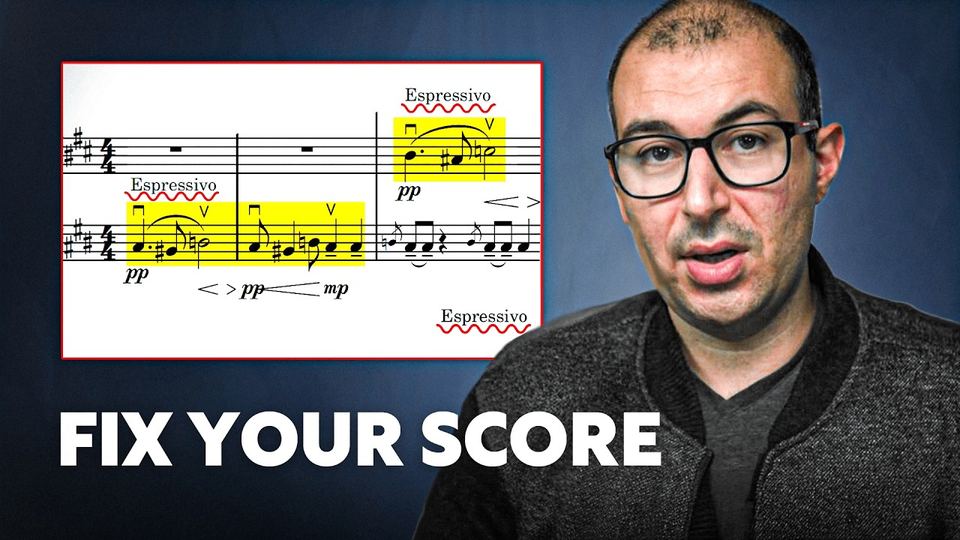
How to proofread your score so performers take it seriously
Ever wonder why some scores just instantly excite performers? I've seen firsthand how clean, intentional notation can make or break a new musical score, so I'll walk you through real submissions from my subscribers and show you exactly how I change them.
Read the post
How to get commissioned as a composer
In 2024, I took on a composer who was completely stuck: no clear voice, no performances, no commissions. After just 12 months, his music is being performed internationally.
Read the post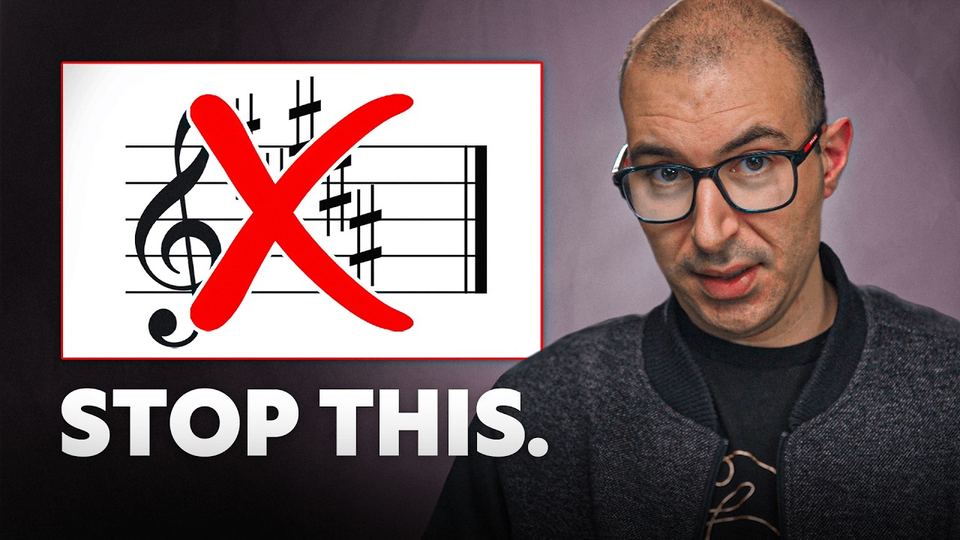
Why your music isn't getting performed and how to fix your notation
Ever wonder why live musicians pass over your compositions? After examining hundreds of scores and parts sent in by my subscribers, I'm going to show you exactly how to fix your notation step by step.
Read the post
Why well-crafted music isn't enough to get you commissions
I spent years mastering harmony, counterpoint and orchestration at conservatories like Juilliard, but was still rarely offered commissions for new work until I learned this one crucial thing. Just being good at crafting music isn't enough.
Read the post
Why writing more music won't get you commissioned
Have you ever wondered why some composers get constant commissions while others grind away unnoticed? I've learned that it's not about how much music you produce.
Read the post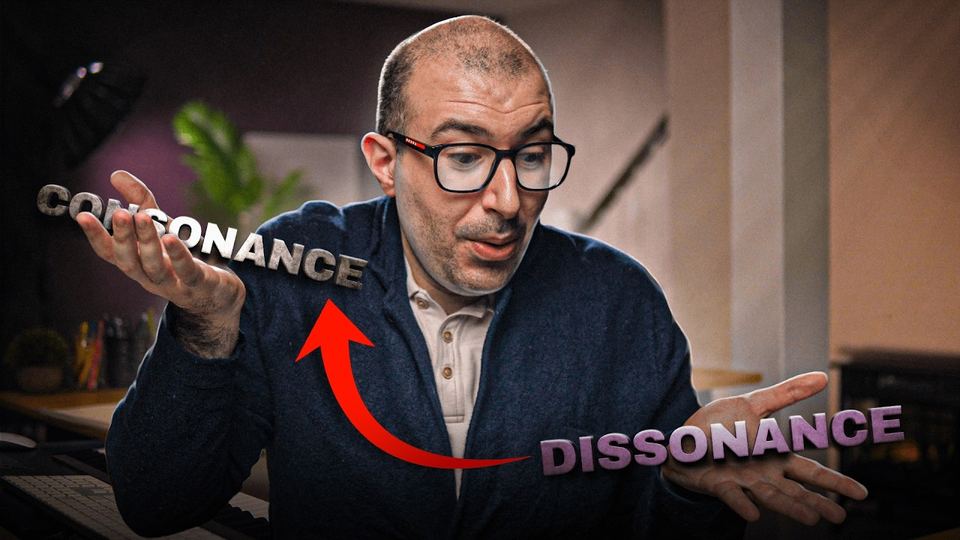
How to develop your own harmonic voice as a composer
As a concert composer, there are 4 main parameters we have to deal with when composing any piece of classical music: melody, rhythm, timbre and, probably the hardest of the 4, harmony. You have to be comfortable with what I call the spectrum of consonance versus dissonance.
Read the post
How to develop a musical idea into a finished piece
This is for you if you struggle to develop your ideas, or you do have ideas but you're not sure how to get them from start to finish. I lay down the groundwork: ideas, writer's block, your essentials, feedback and score study.
Read the post
There's no one best music school for composition
After 12 years of music composition at the collegiate level, I have some opinions about where one can go to school, especially at the undergraduate level. There's no one school that's the end-all be-all, but I can offer some words of wisdom on the best one for you.
Read the post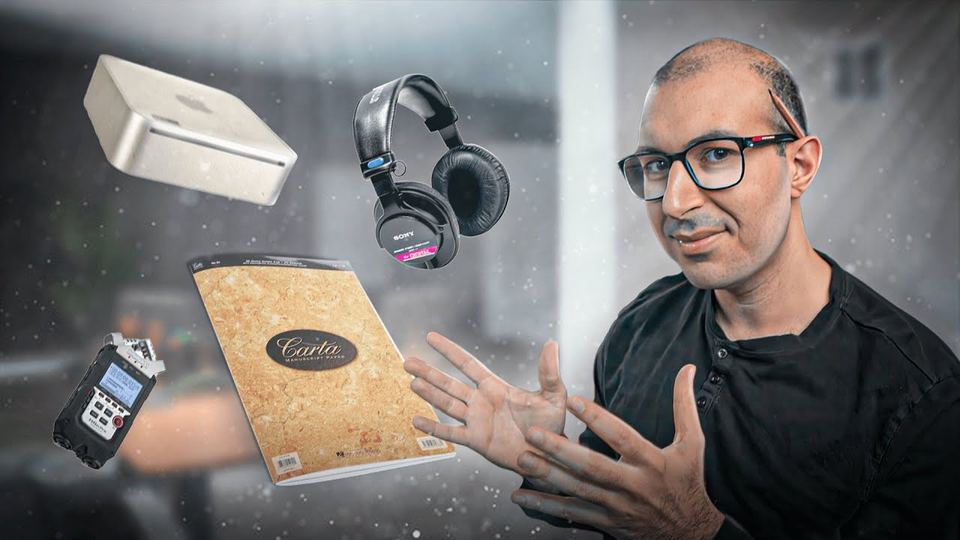
Before you buy the composing gear big YouTubers use
When we're getting started as composers, it's really difficult to figure out what the most essential tools are that we're going to need. Here are 10 I've used to compose music for orchestras and chamber ensembles.
Read the post
Your score's title pages shouldn't be an afterthought
Title pages are usually an afterthought, but these pages could potentially make a positive or negative impact on a reader's first impression of your score. I'll go over how to format them so your scores come out looking professional.
Read the post
Why a piano score won't work as is for string orchestra
I'll share my own methodology for how I tackle one of the most misunderstood sections of the orchestra, the string section, by orchestrating one of Chopin's piano preludes.
Read the post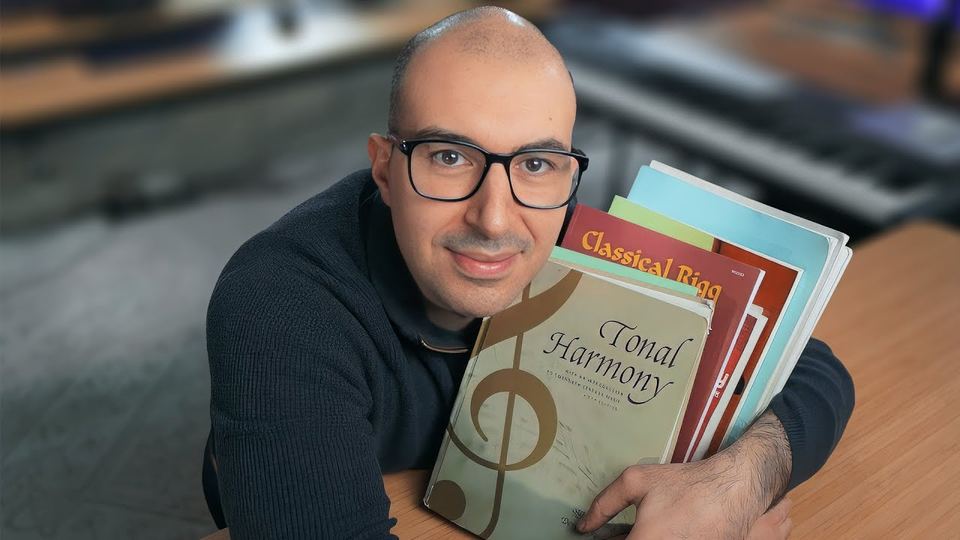
13 books for composers that have helped me along the way
These are some of the books that have helped me along the way as a composer, from just your basic music theory to microtonality and Arabic music.
Read the post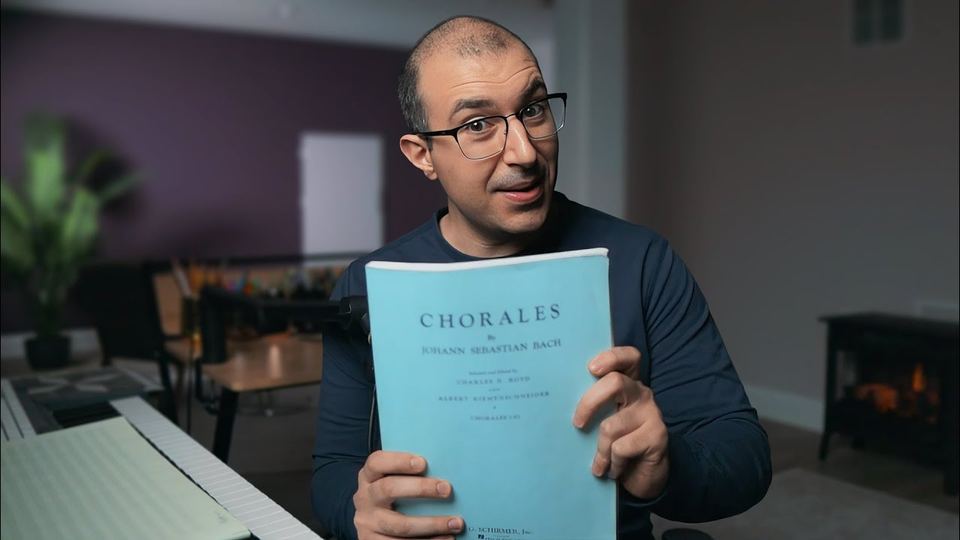
How to study Bach chorales as a composer
This book of chorales is my Bible when it comes to finding inspiration for functionally harmonic possibilities. Here's a glimpse of how I, as a composer today, learn from Johann Sebastian Bach.
Read the post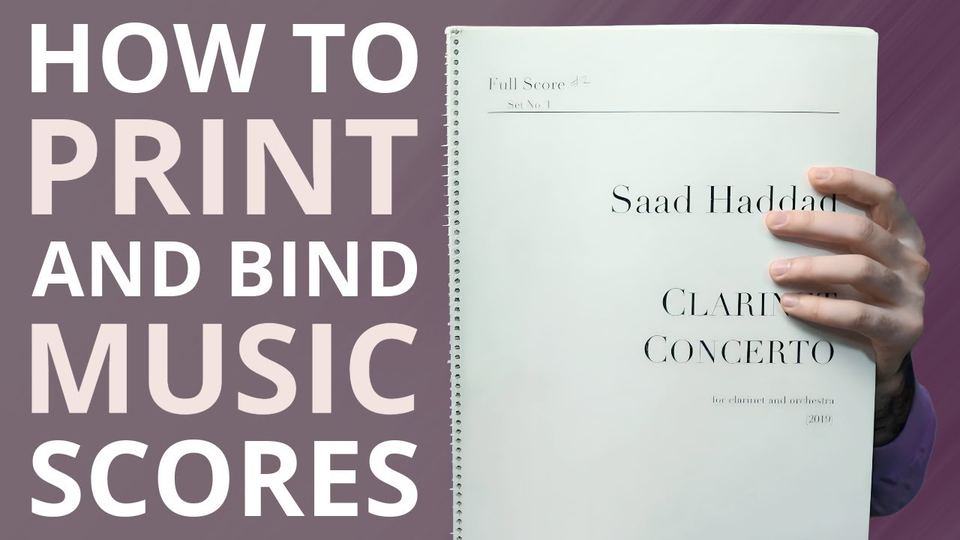
When your printed score is just a bunch of loose papers
For me, a piece is not completely done until I've actually seen it in my own hands. It's not enough for me to see it on the screen. I really need to see it printed and bound.
Read the post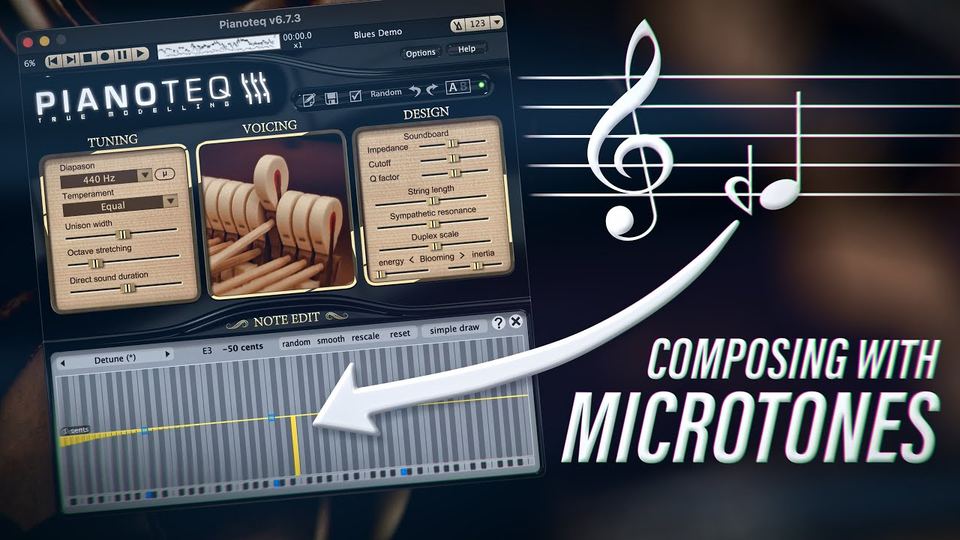
How do you actually compose with microtones?
How do you actually hear microtones, and how do you actually conceive of them? Here's how I put them in a cogent way in my own workflow as a composer.
Read the post
You're going to be nervous at your composition audition
Depending on which colleges you've applied to, you might need to audition either in person or on Zoom. Here are my 7 tips to help you with the interview.
Read the post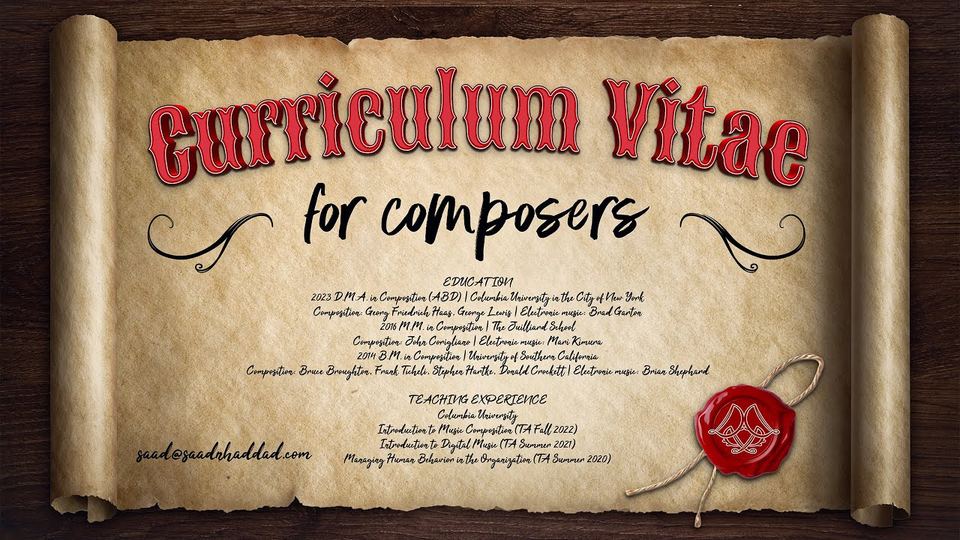
Your composer CV gets read next to 100 or 200 others
As composers, we inevitably have to make a CV and constantly update it throughout the years. Here are all the different sections of mine, and how to format them.
Read the post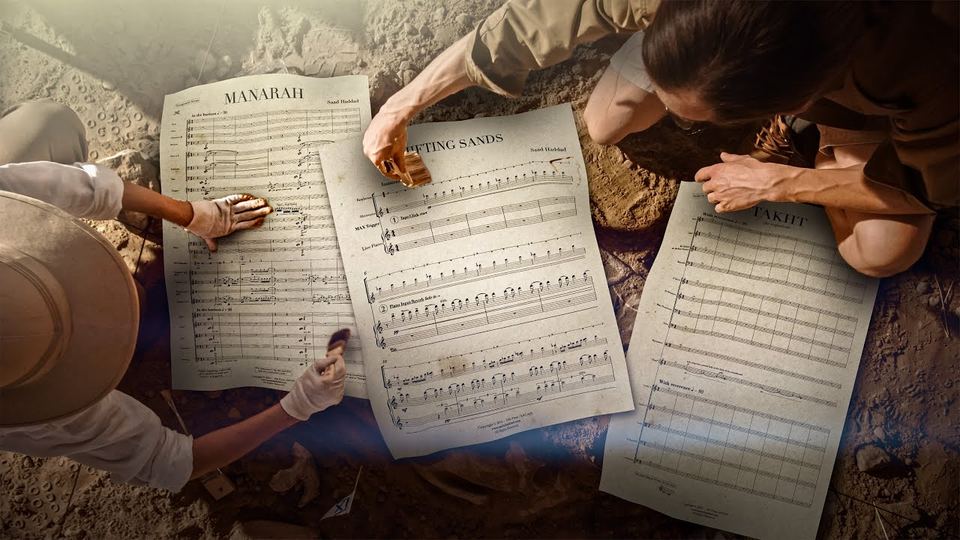
Not sure what a doctoral composition portfolio looks like?
The terminal degree of composition, the degree to end all degrees, that's of course the doctorate. These are the 3 pieces that got me accepted to the CUNY Graduate Center for a PhD and Columbia University for a DMA.
Read the post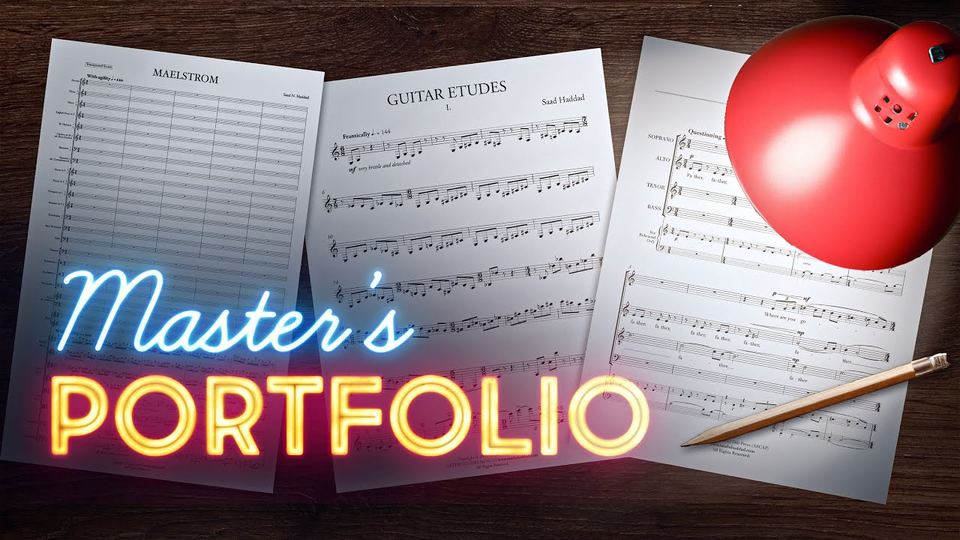
What a master's composition portfolio has to show
These are the compositions I submitted for my second application. They got me into the master's programs at Juilliard, Rice and the New England Conservatory, and fair warning, they did not get me into Yale.
Read the post
How to write string harmonics your player can actually play
There are 2 types of string harmonics, natural and artificial. As long as the instrument has strings, what I'm about to say here is going to apply.
Read the post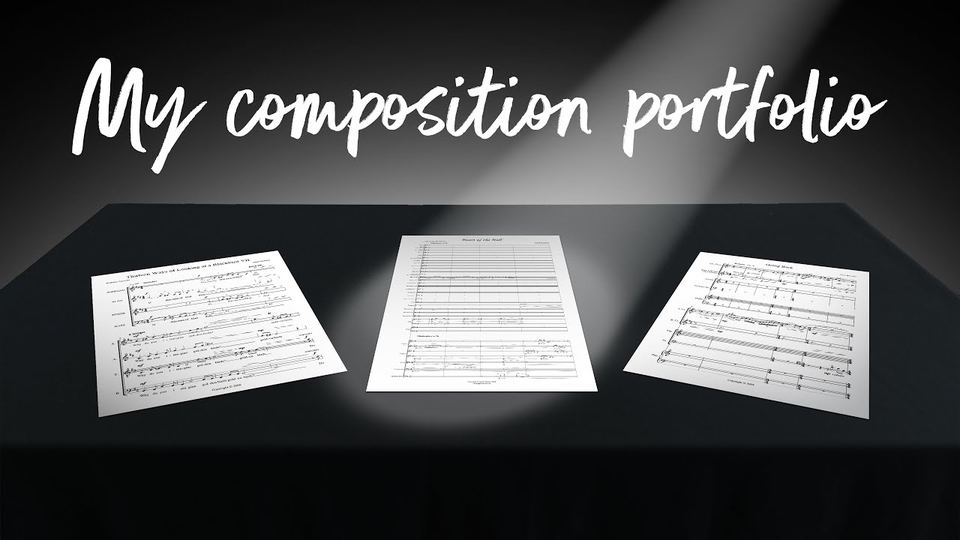
My music composition portfolio that got accepted to Juilliard
This is my composition portfolio from when I applied for my bachelor's degree way back in 2010. These pieces don't reflect my compositional style today at all, but I believe it's important to show you where I started.
Read the post
How to self-publish your music once the piece is done
Let's discuss what self-publishing is, why you should self-publish your music, and finally, how to self-publish your music.
Read the post
How to prepare your music composition portfolio for college
Your portfolio is by far the most important part of your application to any university program in music composition. From my experience, what interests most composition faculty is the potential that they hear rather than the finished product.
Read the post
What to check before you sign a commission contract
One of the things they don't teach you in music school is what you're supposed to do when you receive a commissioning agreement. Here's what you should look at and what to keep an eye out for.
Read the postFree guides for composers. Each one is a short guide I wrote from what's worked for me.
See the free guides